
Figuring out the best road trip tips with kids can mean the difference between a miserable drive and an actual vacation. You need practical strategies that keep everyone fed, entertained, and comfortable for hours on end. This list covers fourteen tested methods for surviving long drives with a family. You will learn exactly how to organize your car and schedule your stops to keep the peace.
1. Pack A Dedicated Snack Tackle Box To Limit The Mess
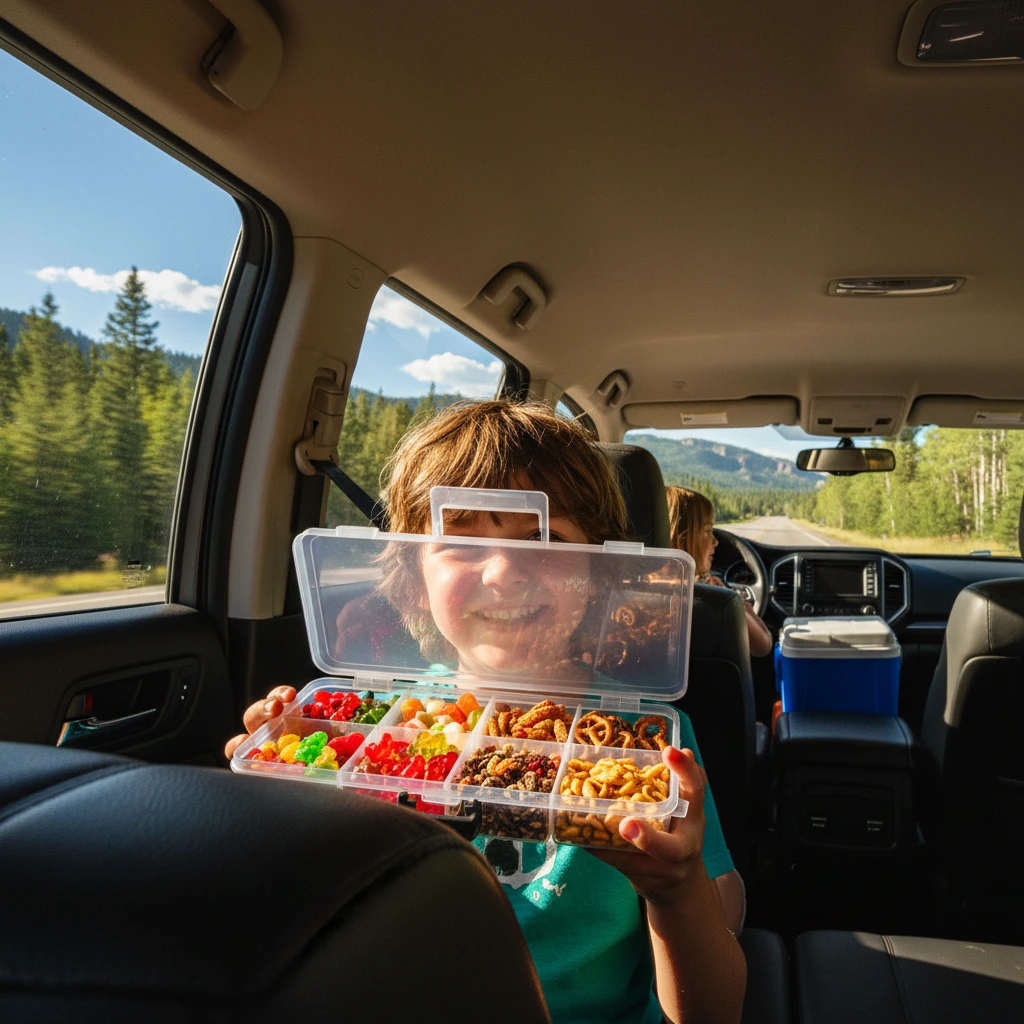
Keeping food contained is the single most important rule when driving with children. Handing back a giant bag of chips guarantees a massive crumb explosion on your upholstery. A hard plastic container with individual dividers lets children see their options and keeps portions totally manageable.
You can find cheap craft organizers at any local hobby shop for under $10 to serve this exact purpose. Fill the compartments with dry cereal, pretzels, dried fruit, and small crackers before you leave the house. Avoid chocolate or anything sticky that will melt if the car gets warm during a rest stop.
Hand these boxes over only when you hit a stretch of highway with no immediate stops planned. Do not give them out right after a meal. Kids treat the tiny compartments like a game, which buys you at least thirty minutes of total silence.
2. Download Audiobooks And Podcasts For Screen-Free Quiet Time
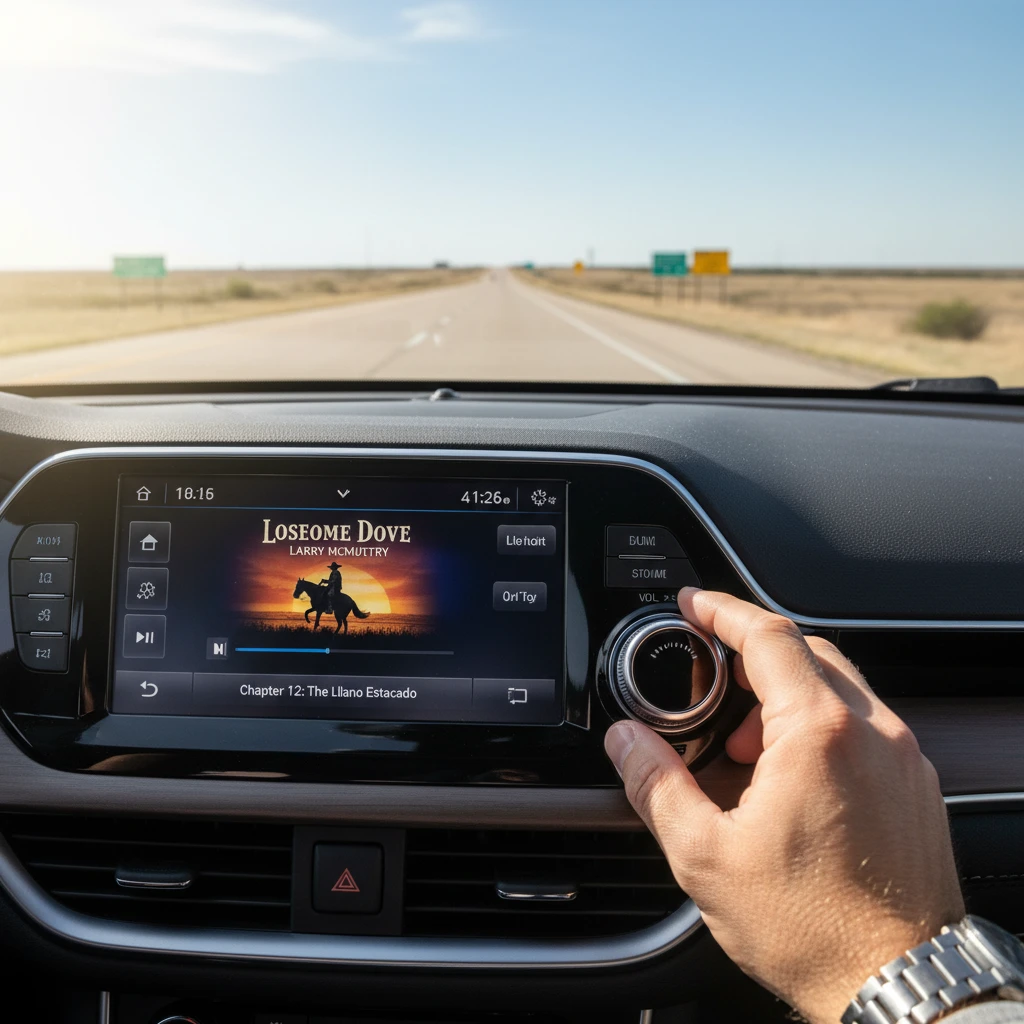
Audio entertainment offers a massive break from repetitive music for children without relying constantly on a screen. Listening to a structured story engages their imagination and significantly reduces backseat bickering. This method works incredibly well for twilight driving when the cabin is dark and you want them to wind down.
Check your local library app to download free audiobooks directly to your phone before you lose cell service. Pick stories that run for at least two hours so you do not have to constantly search for the next track. Family friendly podcasts about science or history also hold attention surprisingly well for children over the age of five.
Use audiobooks as a transition tool right after lunch to encourage a calmer atmosphere. I learned this the hard way after relying solely on movies during a cross-country drive, which left my kids totally overstimulated and cranky by dinner time. The shift to audio stories completely saved our evenings.
3. Plan Your Driving Blocks Around Regular Nap Schedules
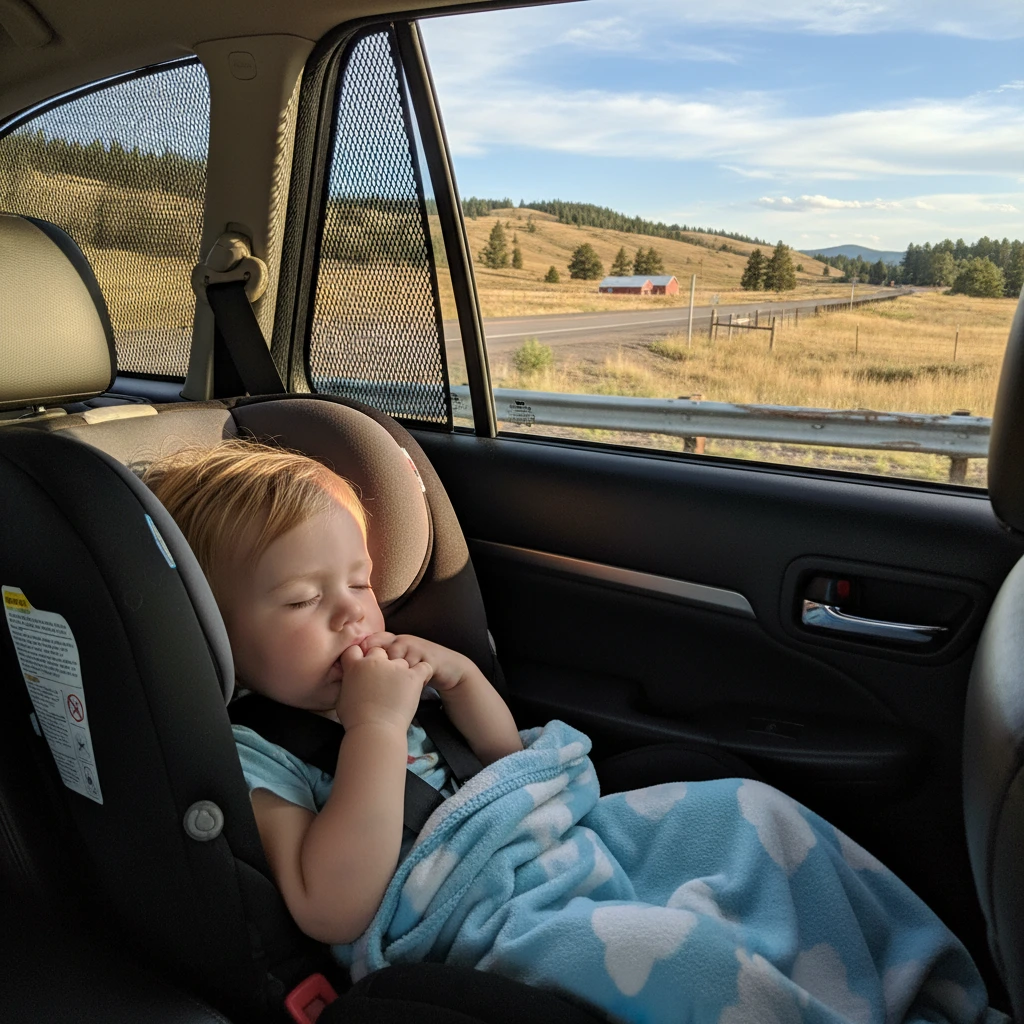
Aligning your heaviest mileage with sleep windows is the smartest way to cover ground fast. Pushing through a normal nap time usually results in a meltdown that forces you to pull over anyway. When they sleep, you can focus on the road and knock out a huge chunk of your route without interruption.
Get into the car about twenty minutes before their usual afternoon rest period. Make sure they have a clean diaper, a full stomach, and a favorite small blanket. Keep the car temperature slightly cool and put on a quiet instrumental playlist to signal that it is time to rest.
Never stop for gas or food while a child is sleeping if you can avoid it. The change in motion almost always wakes them up prematurely. Top off your tank right before the nap window begins so you can drive straight through.
“Miles driven while children sleep are worth double the miles driven while they are awake.”
4. Keep A Travel Potty And Changing Station Easily Accessible
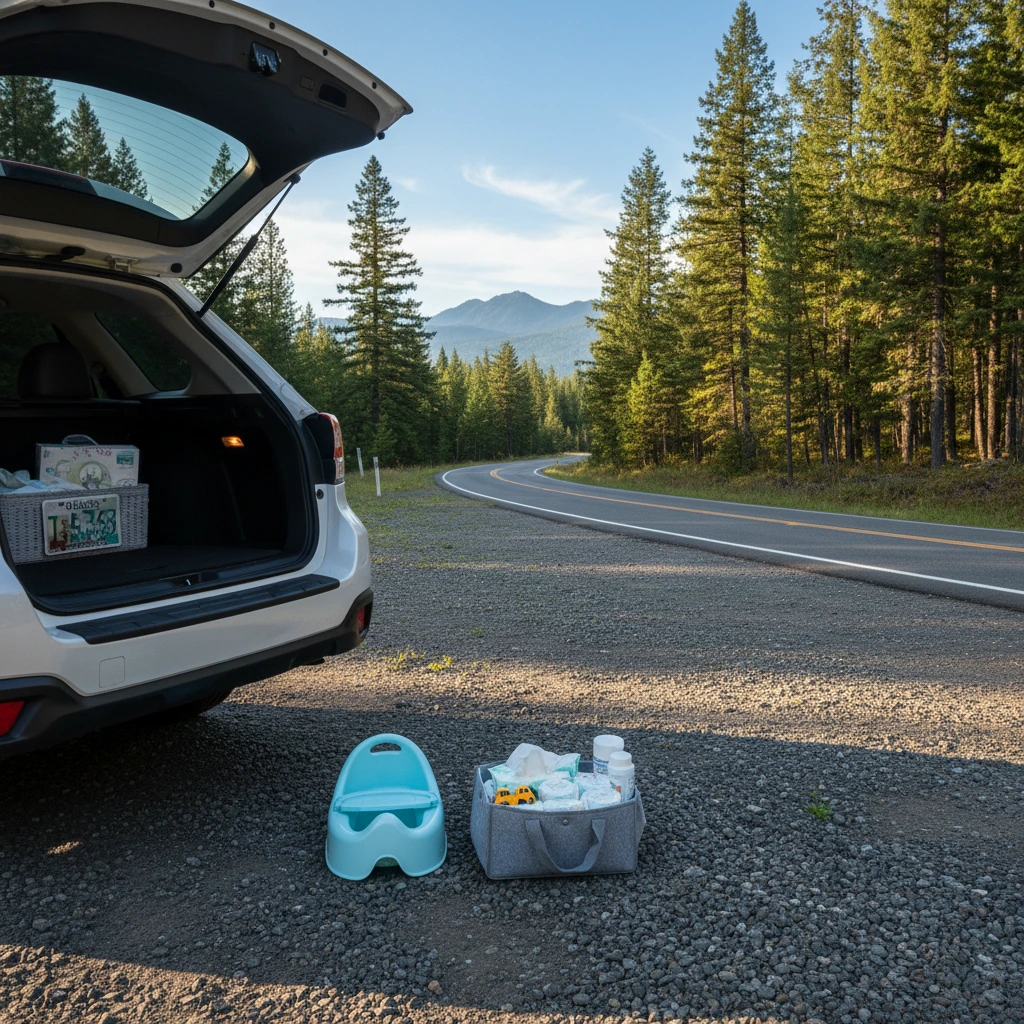
Highway bathrooms are notoriously filthy, so bringing your own setup saves time and sanitation worries. When a newly potty-trained child announces they need to go, you rarely have twenty minutes to find a clean facility. Having a backup plan right in your trunk eliminates that specific brand of travel panic.
Buy a small plastic travel potty that uses disposable plastic liner bags with absorbent pads inside. Keep this unit right near the trunk latch alongside a dedicated caddy holding wipes, diapers, and hand sanitizer. You simply pull over to a safe shoulder or empty parking lot and handle the situation immediately.
Always tie up the used waste bags and store them in a larger wet bag until you find a proper trash can. Keep a roll of dog waste bags in your glove compartment just in case you run out of the official liners.
5. Invest In Backseat Organizers For Toys And Water Bottles
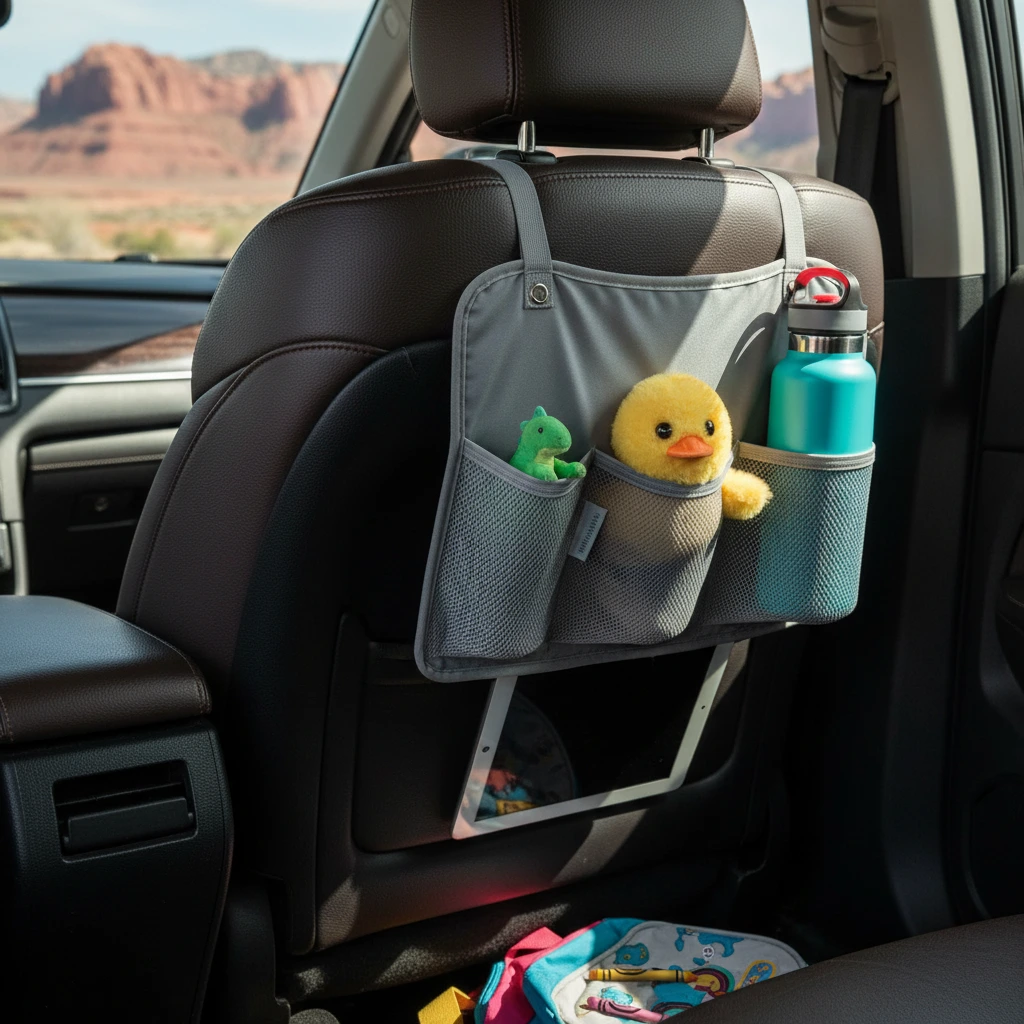
A cluttered backseat quickly leads to dropped toys, spilled drinks, and constant requests for help. When items roll under the seats, you have to twist around dangerously while driving to retrieve them. Vertical storage solutions keep everything visible and within easy reach for the children.
Purchase organizers that strap securely around the front seat headrests and sit flat against the seatbacks. Dedicate specific pockets for water bottles, a travel tray, and dry snacks so kids know exactly where their items belong. Choose options with deep elastic pockets so things do not fly out when you hit a bump or brake hard.
Assign one organizer per child to prevent arguments over sharing space.
6. Rotate New Dollar Store Toys Every Two Hours
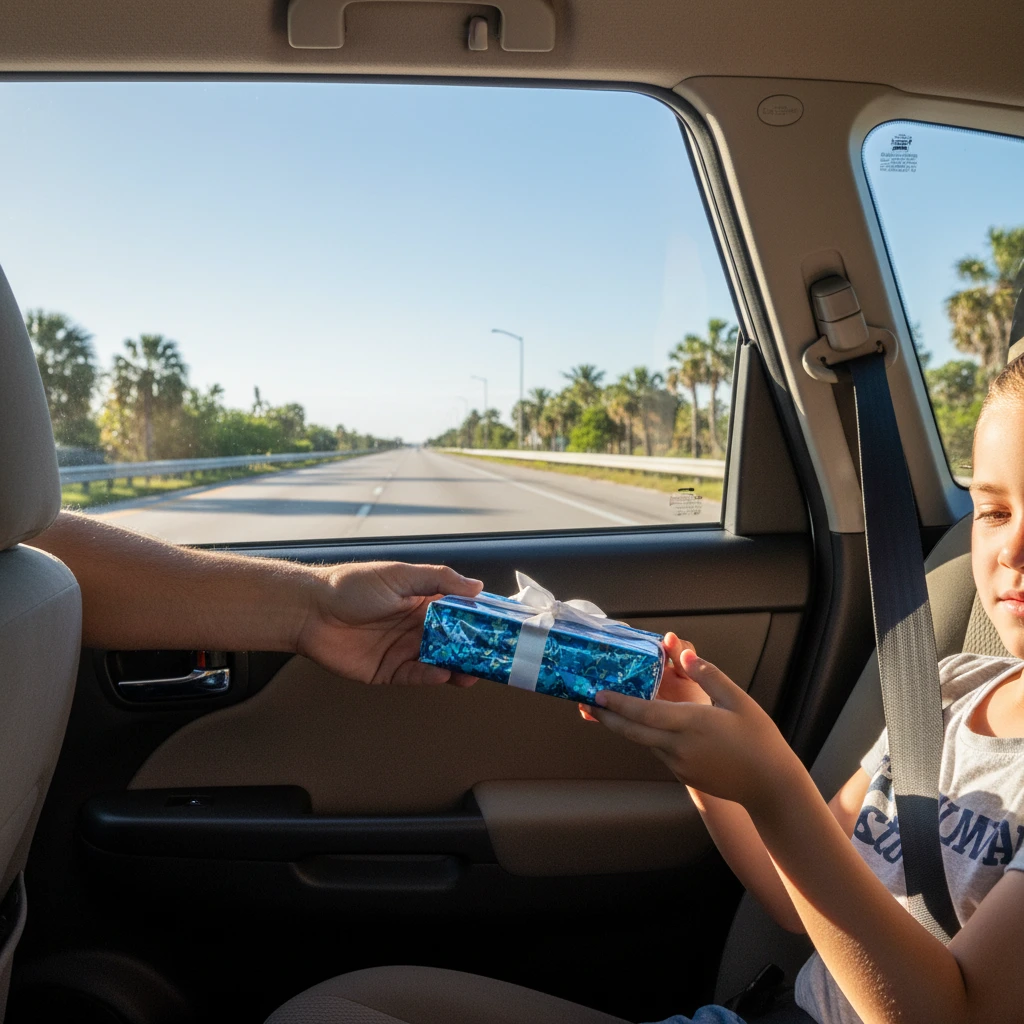
Novelty is your best friend when trying to survive a road trip with young ones. A toy they have never seen before holds their attention ten times longer than a familiar toy from home. Wrapping these items individually adds an extra layer of time-consuming entertainment.
Visit a discount store before your trip and spend roughly $15 on items like sticker books, window clings, squishy balls, and small action figures. Keep these hidden in a tote bag in the front seat. Set a timer, and every time you hit a two-hour milestone, pass a new wrapped item to the back.
Avoid toys with multiple tiny pieces or anything that makes electronic noise. Window clings are particularly brilliant because they leave no residue and kids can arrange them endlessly on the side glass.
“The best road trip toys do not make noise, do not have tiny pieces, and cost less than five dollars.”
7. Map Out Playgrounds Instead Of Standard Highway Rest Stops
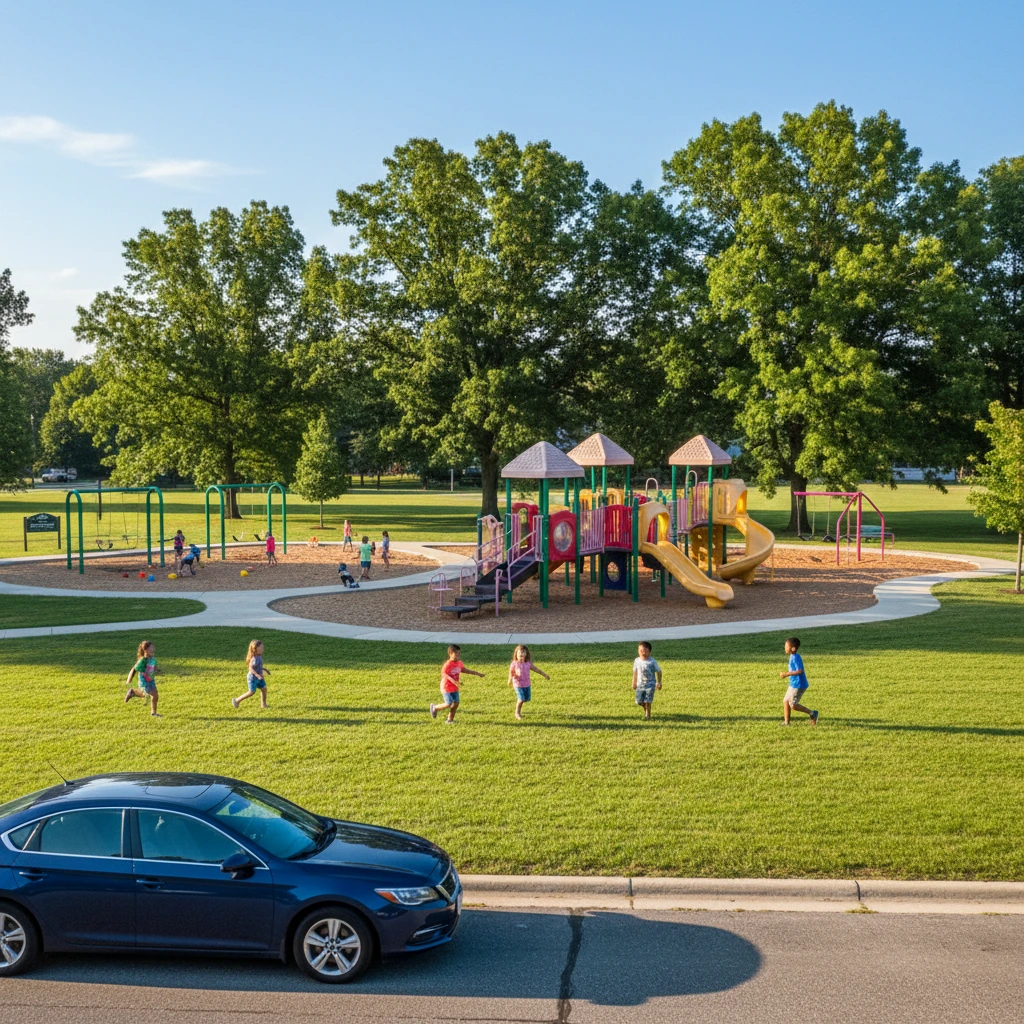
Children need to burn off physical energy, and a concrete gas station parking lot does not cut it. Stopping at a local park provides fresh air and a safe place to run without worrying about highway traffic. Ten minutes of intense physical activity translates to a much calmer next leg of the trip.
Use a satellite map app to scan your route for green spaces located within two miles of a highway exit. Look for towns that sit right on your path and pinpoint their municipal parks or school playgrounds. Pack a frisbee or a jump rope in your trunk to encourage even more movement once you park.
Plan these stops around meal times so you can eat a picnic lunch on the grass rather than inside a cramped fast food restaurant. Getting away from the noise of the highway completely resets the mood of everyone.
8. Pack A Separate Overnight Bag For Quick Hotel Stays
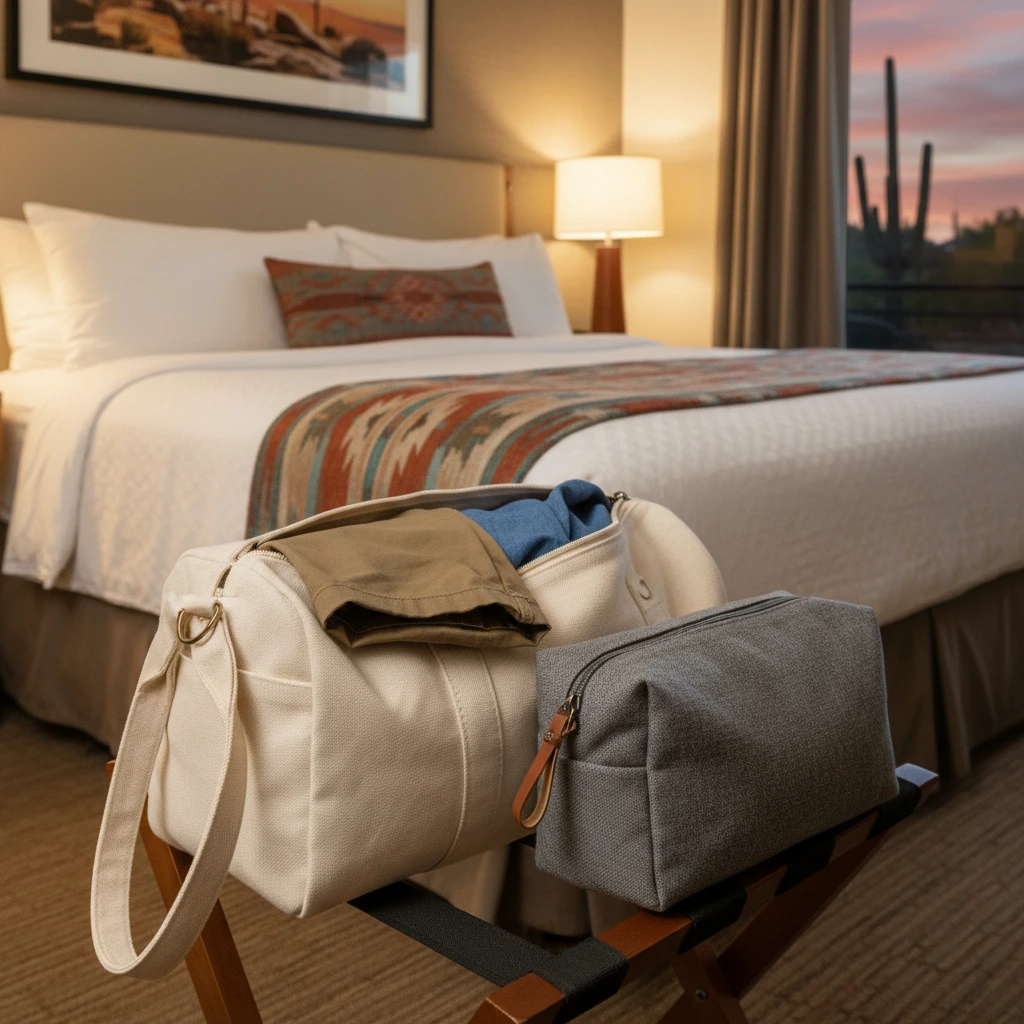
Dragging a massive suitcase into a roadside motel for an eight-hour stay is an exhausting rookie mistake. You only need pajamas, fresh clothes for the morning, and basic toiletries when making a quick overnight stop. Consolidating these necessities into one single bag saves you from unpacking the entire trunk in the dark.
Choose a soft-sided duffel bag and pack one outfit per person, rolled up to save space. Include a single toiletry kit with toothbrushes, toothpaste, and any necessary medications. Leave the heavy luggage, the cooler, and the extra shoes locked securely in the car overnight.
Keep this overnight bag easily accessible near the trunk door so you can grab it the second you park. I once spent thirty minutes in a freezing parking lot digging under a stroller just to find the toothbrush for my daughter. I vowed never to pack that way again.
9. Implement A Flexible Screen Time Strategy For Long Stretches
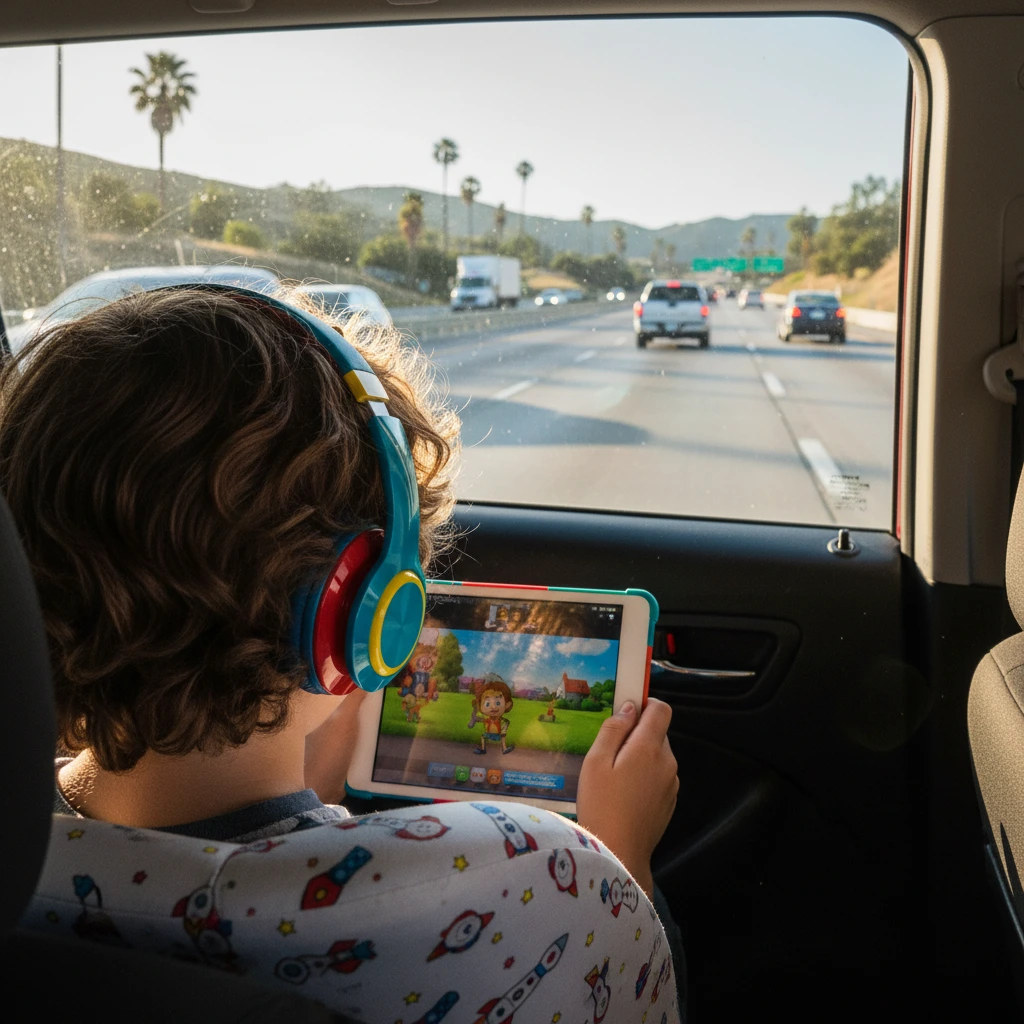
Strict rules about electronics often need to be relaxed when you are trapped in a vehicle for eight hours. A tablet is a powerful tool for maintaining sanity during the most tedious parts of the drive. The trick is deploying the screen strategically rather than handing it over the moment you leave the driveway.
Download movies and shows at home on your internet network, as streaming over a cellular connection frequently drops on rural highways. Invest in comfortable volume-limiting headphones for each child so you do not have to listen to animated characters for hundreds of miles. Make sure all devices are fully charged and bring extra long charging cables that reach the back seat.
Save the screens for the final two hours of your daily drive when patience is running thin. If you start the morning with a movie, they will expect a screen for the entire day.
“Save the screens for the last two hours of the drive when the patience of everyone is officially gone.”
10. Bring A Properly Stocked Car Sickness And First Aid Kit
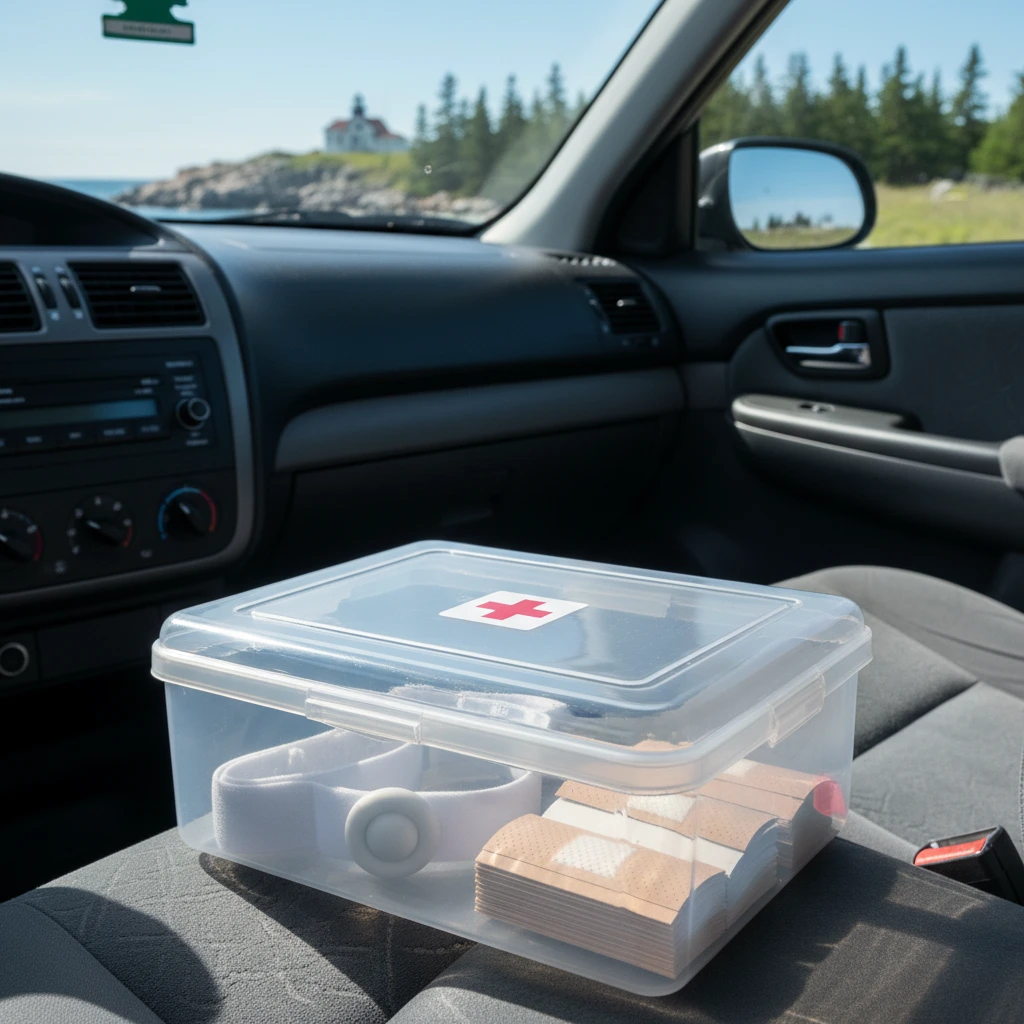
Motion sickness strikes without warning, and being unprepared creates an absolute nightmare scenario on the highway. Twisty mountain roads or reading a book in the back seat can quickly turn a happy child green. Having cleaning supplies and remedies within easy reach is non-negotiable for family car travel.
Pack a kit containing medication for motion sickness, acupressure wristbands, and a roll of heavy-duty paper towels. Include several plastic grocery bags with no holes to catch emergencies, plus a large bottle of water for rinsing. Add standard first aid items like bandages, antiseptic wipes, and pain relievers for random headaches or scraped knees at rest stops.
Keep this emergency kit in the front seat or center console, never buried in the trunk. When a child says they feel sick, you have seconds to react.
11. Dress Everyone In Comfortable Layers And Slip-On Shoes
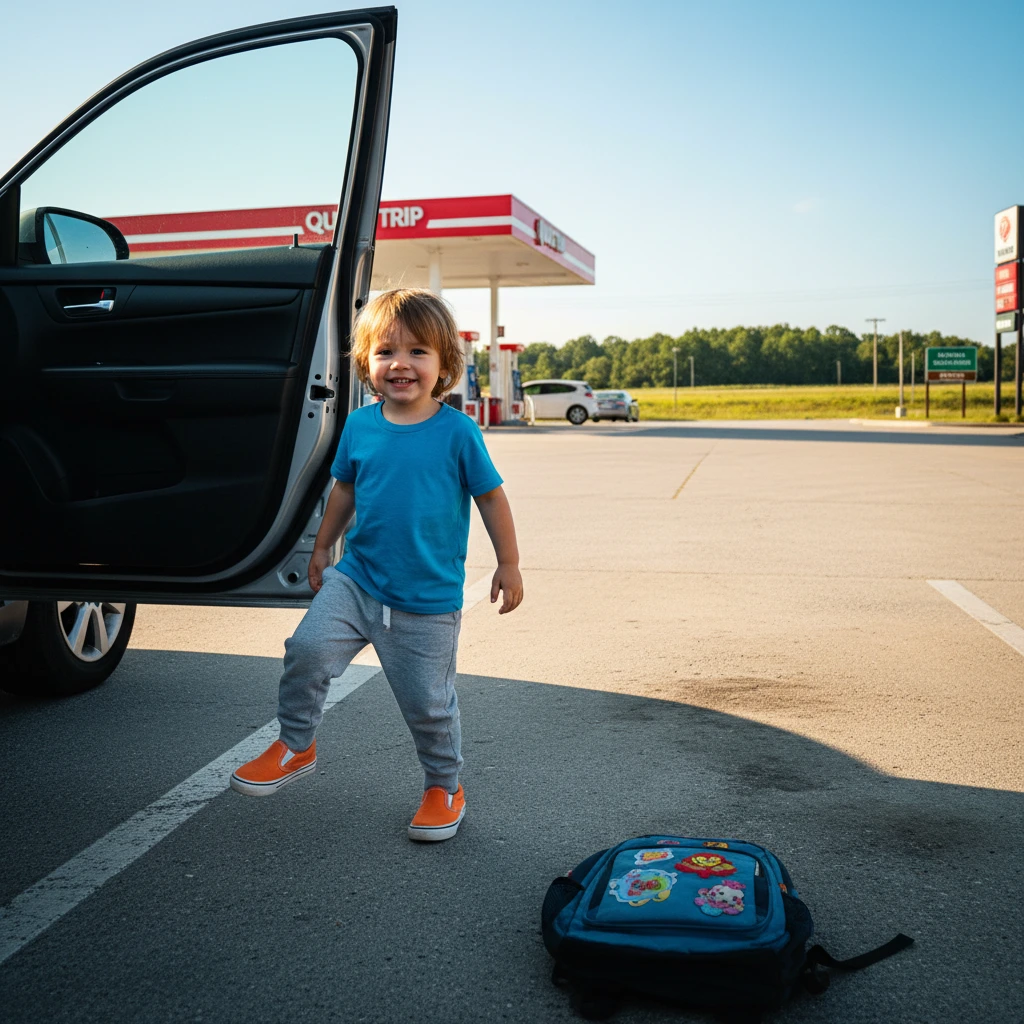
Car temperatures fluctuate wildly depending on who is sitting in the sun, making adaptable clothing essential. Rigid jeans or tight waistbands become incredibly uncomfortable after a few hours of sitting. Soft and breathable fabrics prevent complaints about itchy tags or feeling too hot in the back seat.
Start with a short-sleeve cotton shirt and layer a zip-up hoodie over it so kids can adjust their own temperature. Choose sweatpants or leggings over denim, and avoid anything with complicated buttons or belts. Slip-on shoes are crucial because kids inevitably kick their shoes off in the car, and you do not want to tie laces at every bathroom break.
Pack a spare set of comfortable clothes in the main cabin area for each child. Spills happen frequently, and digging through the trunk for a clean shirt on the shoulder of a busy road is stressful.
12. Use Window Shades To Block Harsh Sun And Help With Sleep
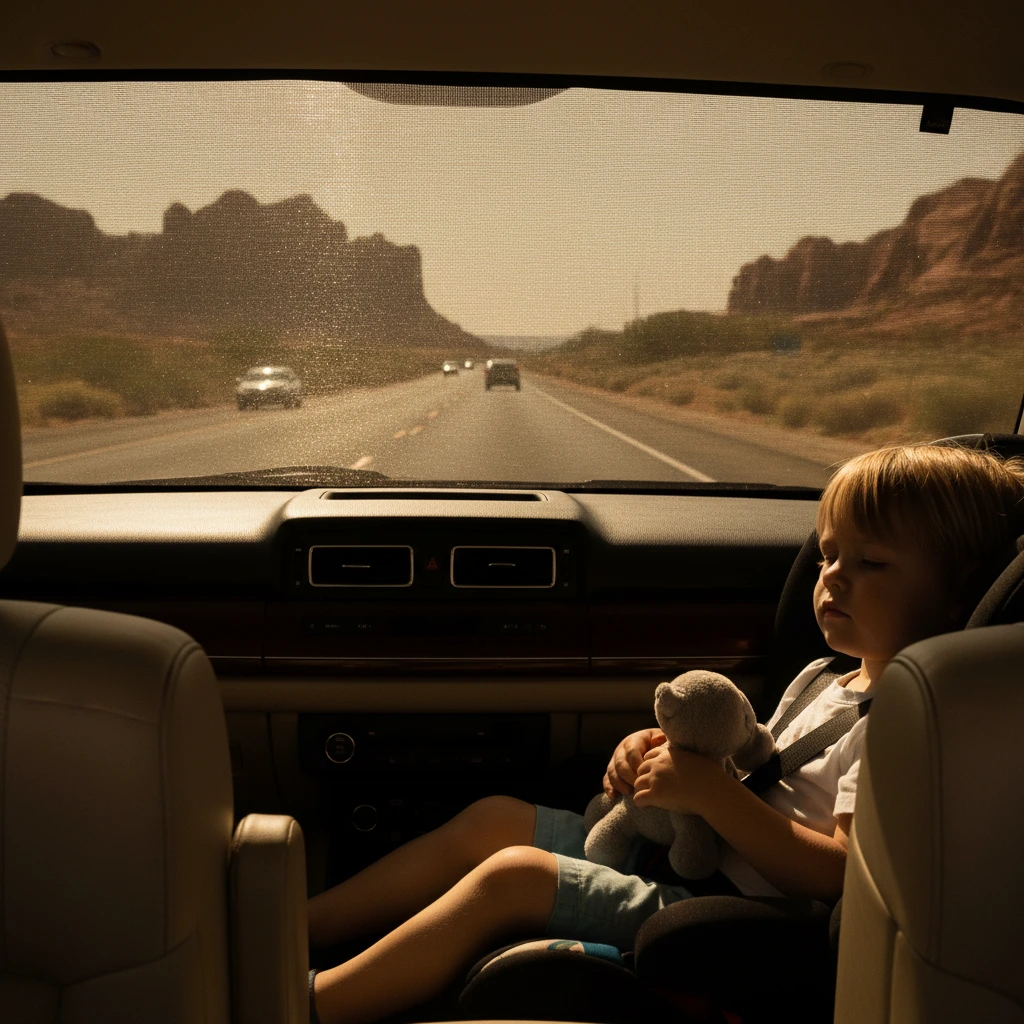
Direct sunlight blazing through a side window causes overheating and intense glare on tablet screens. Even cars with factory-tinted glass often let in too much light for a comfortable ride. Blocking that harsh glare keeps the cabin temperature regulated and dramatically improves the chances of a successful nap.
Buy static-cling mesh shades that stick directly to the glass without suction cups, as suction cups tend to pop off when the car gets hot. For an even better solution, look for fabric shades that slide entirely over the door frame like a sleeve. This style allows you to roll the window down for fresh air while still keeping the sun and bugs out.
Check your blind spots carefully after installing any window coverings. You want to protect the kids from the sun without compromising your ability to change lanes safely.
“A dark and cool backseat is the ultimate secret weapon for encouraging mid-day highway naps.”
13. Bring A Soft Sided Cooler For Fresh Fruit And Cold Drinks
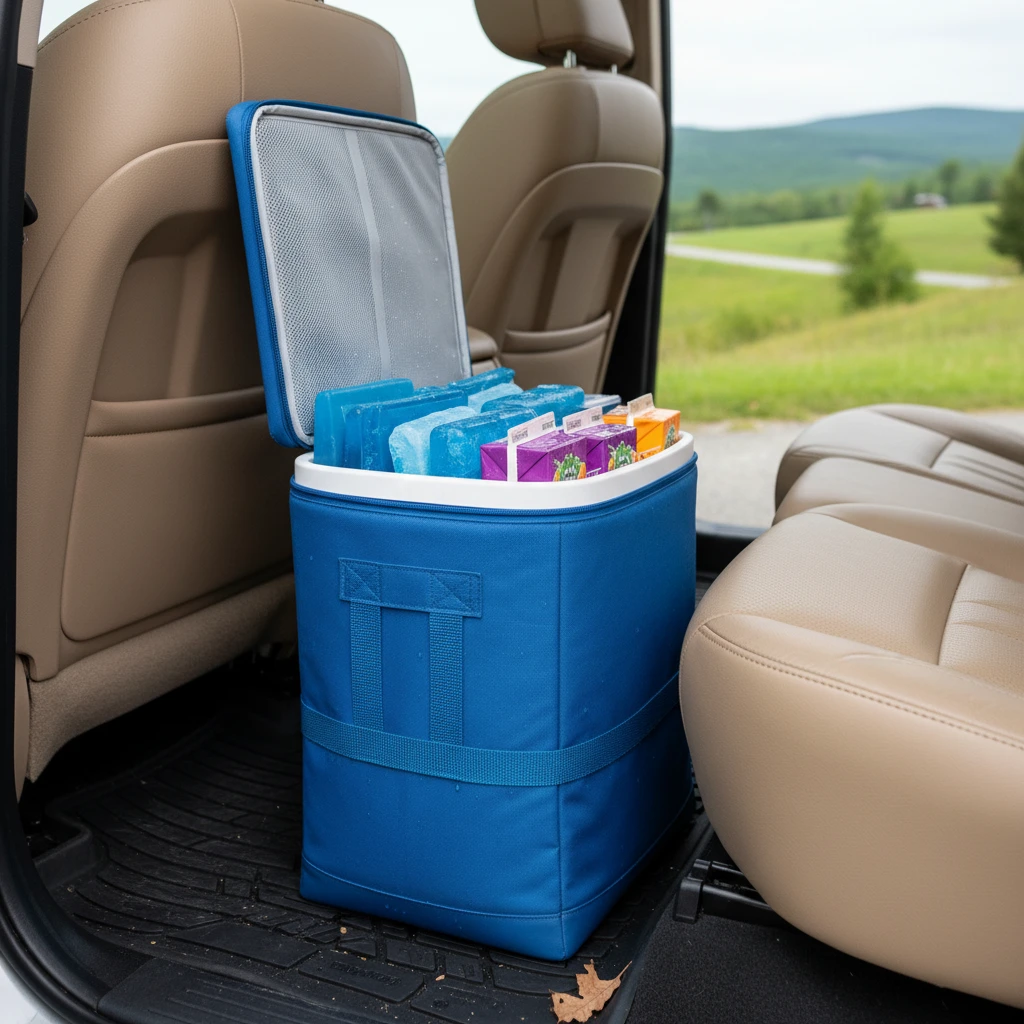
Relying entirely on gas station snacks guarantees a diet of heavy sodium and sugar that fuels bad behavior. Fresh food keeps energy levels stable and saves a massive amount of money over a multi-day trip. A soft cooler fits perfectly behind the front passenger seat, making it accessible while the car is moving.
Pack cold items like grapes, sliced apples, cheese sticks, and yogurt tubes. Use hard plastic ice packs rather than loose ice to prevent a watery mess at the bottom of the bag. Bring refillable water bottles for everyone and keep a large jug of cold water in the cooler to top them off throughout the day.
Wipe down the inside of the cooler every night when you reach your hotel. Leaving damp plastic closed up overnight creates a musty smell that ruins the fresh food experience the next day.
14. Hand Over A Paper Map So Older Kids Can Track The Route
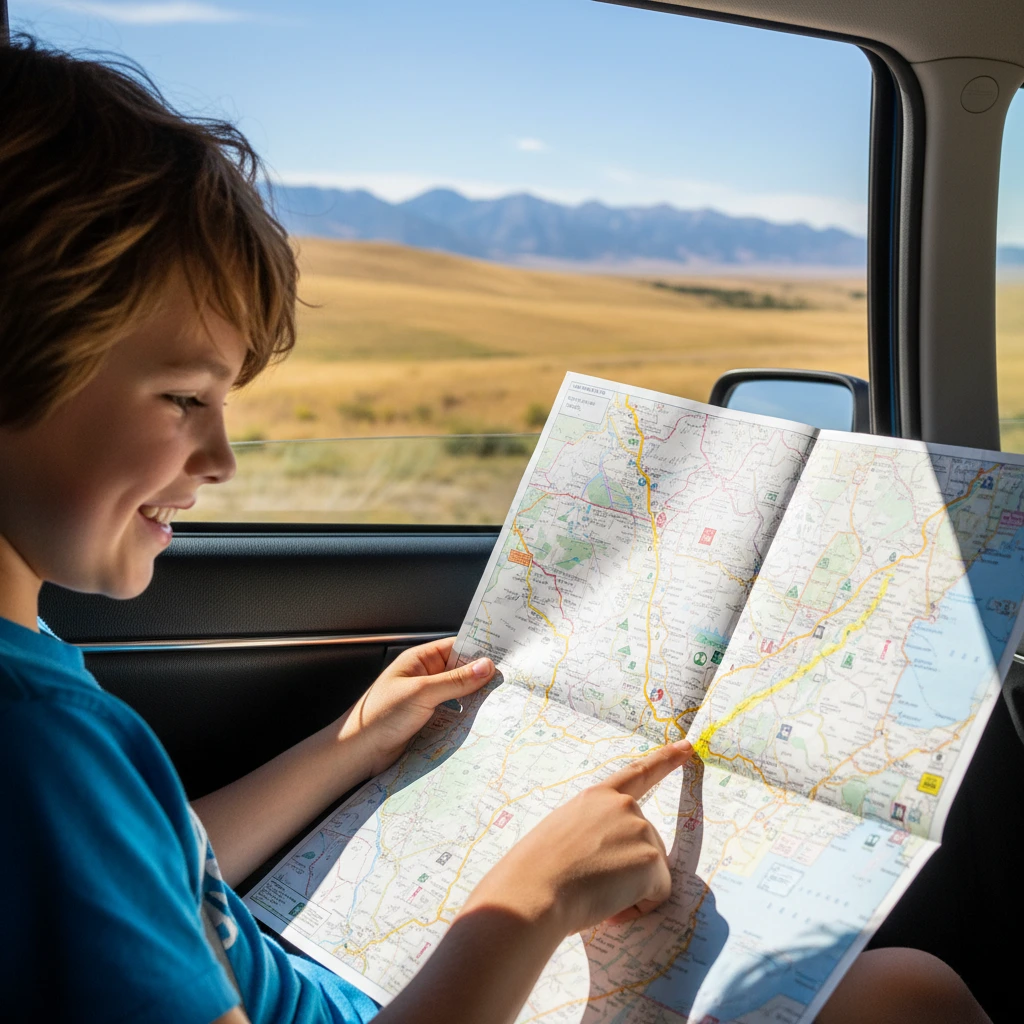
Giving older children a sense of location dramatically reduces the endless questions about arrival times. When they understand the geography of the trip, they feel involved rather than just trapped in a moving box. A physical map provides a tangible way to measure progress that a digital screen cannot match.
Buy a cheap atlas or print out the route map before you hit the road with kids. Use a bright highlighter to trace your exact path and mark major cities or state lines along the way. Give them a pen to check off landmarks, rivers, or specific towns as you pass through them.
This simple activity secretly builds excellent spatial awareness and map-reading skills. It turns the drive into a visual project and gives them a concrete answer when they want to know how much further you have to go.
Make Your Next Family Drive A Success
Applying these fourteen strategies will completely transform how you handle long drives with a family. Preparation is the ultimate key to keeping the peace, so take the time to organize your snacks, map out your stops, and download your entertainment early. Save this guide for your next big trip, load up the car, and enjoy a much smoother ride together.
Frequently Asked Questions
1. How do you entertain a toddler on a long car ride?
Keeping a toddler happy requires constant rotation of new activities. You should hand out a new toy or snack every hour to maintain their interest. Using a travel tray helps contain their coloring books and small toys so items do not drop on the floor.
2. What is the best time of day to start a road trip with kids?
Leaving early in the morning around four or five is highly effective. Children usually fall right back asleep in their car seats for the first few hours of the drive. This strategy allows you to cover significant distance before breakfast.
3. How often should you stop when driving with children?
Plan to stop every two to three hours to let everyone stretch their legs. Pushing past this limit usually leads to restlessness and inevitable meltdowns in the back seat. Combine bathroom breaks with meal times to minimize the total number of stops.
4. What are the best snacks to pack for family car travel?
Dry and non-sticky foods are the absolute best options for a moving vehicle. Pretzels, dry cereal, sliced apples, and cheese sticks keep messes to an absolute minimum. You should always avoid chocolate or powdered candies that stain the upholstery.
5. How do you prevent car sickness in kids?
Keeping the car cool and well-ventilated is your first line of defense against motion sickness. Encourage children to look straight out the front window rather than staring down at books or screens. You can also offer ginger candies or apply acupressure bands to their wrists before the drive begins.
6. Can you leave a baby in a car seat for an entire day?
Pediatricians recommend taking a baby out of their car seat every two hours to protect their developing spine and airway. You need to plan frequent stops where the infant can stretch out flat on a blanket. Long stretches of driving must be broken up into manageable blocks when traveling with an infant.
7. How much does a good backseat organizer cost?
You can find highly durable fabric organizers online for roughly $20 to $30. Higher end models with insulated cooler pockets or tablet holders might cost closer to $45. Investing in a quality organizer saves you from replacing cheap plastic versions that rip after one trip.