
Wainscoting has a unique way of making a room feel complete and thoughtfully designed. If you are looking to add character, depth, and a touch of elegance to your walls, you have come to the right place. Moving beyond the basics can feel intimidating, but there are so many creative options that fit any style of home.
These creative wainscoting panel ideas are designed to spark your imagination and show you what is possible. From subtle textures to bold color statements, the right wall treatment can completely change the feeling of a space. You will find inspiration here to truly transform your home, one wall at a time.
━━━━━━━━━━━━━━━━━━━━━━━━━━━━━━━━━━━
1. Embrace a Moody, Monochromatic Look
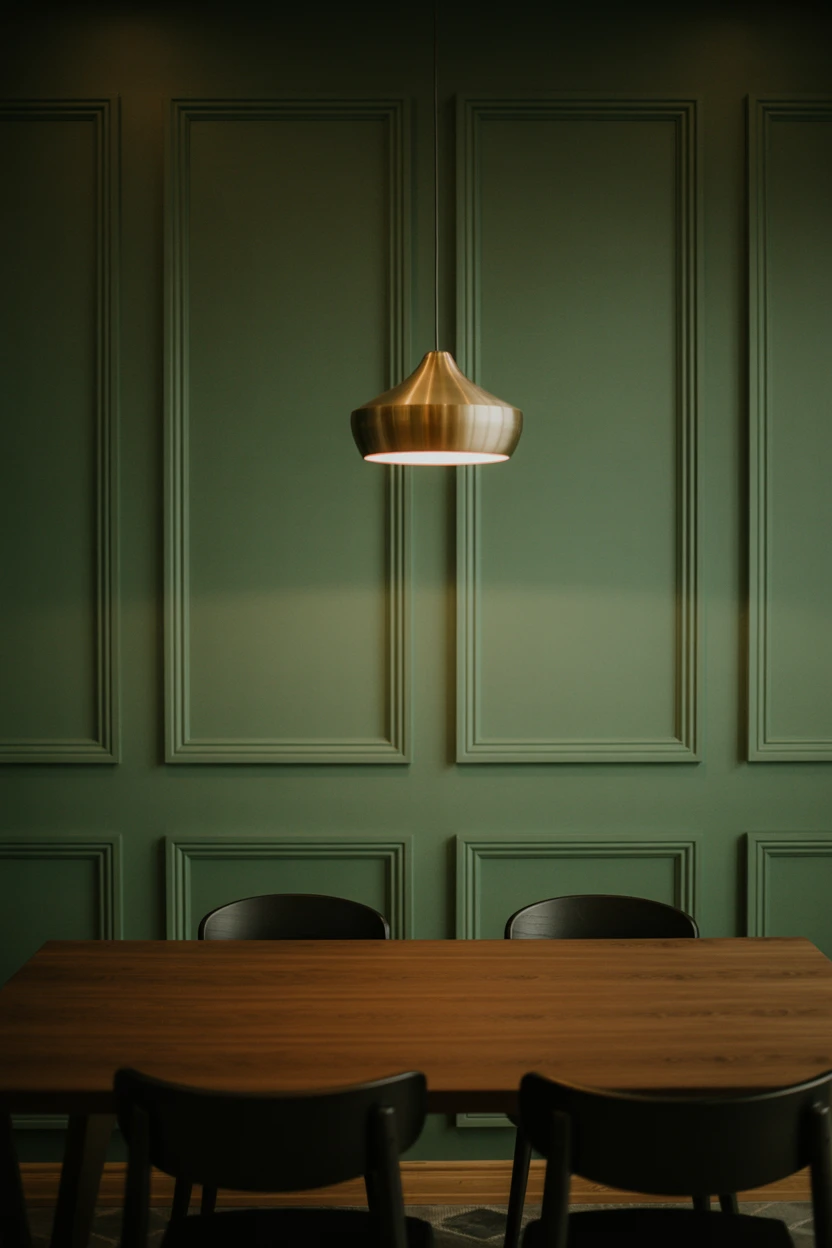
Painting your wainscoting, trim, and walls all in the same color creates a seamless, high-end look. This technique, often called color drenching, makes a room feel taller and more cohesive. It is a modern take that feels both bold and incredibly sophisticated.
Choose a deep, moody color like charcoal gray, navy blue, or a rich forest green in a matte or eggshell finish. The texture of the paneling will still stand out because of the way light creates subtle shadows on the trim. This is one of the most impactful wainscoting panel ideas for a dining room or bedroom.
This approach allows the architectural detail to add texture rather than a contrasting color. The result is a space that feels like a quiet, enveloping retreat. It works especially well with simple, clean-lined board and batten or shaker-style panels.
By removing the visual break of a different wall color, the eye travels up the wall without interruption. This makes ceilings feel higher and the room feel grander. Pair it with warm metallic accents, like brass or bronze, to add a touch of light and contrast.
━━━━━━━━━━━━━━━━━━━━━━━━━━━━━━━━━━━
2. Install Extra-Tall Board and Batten
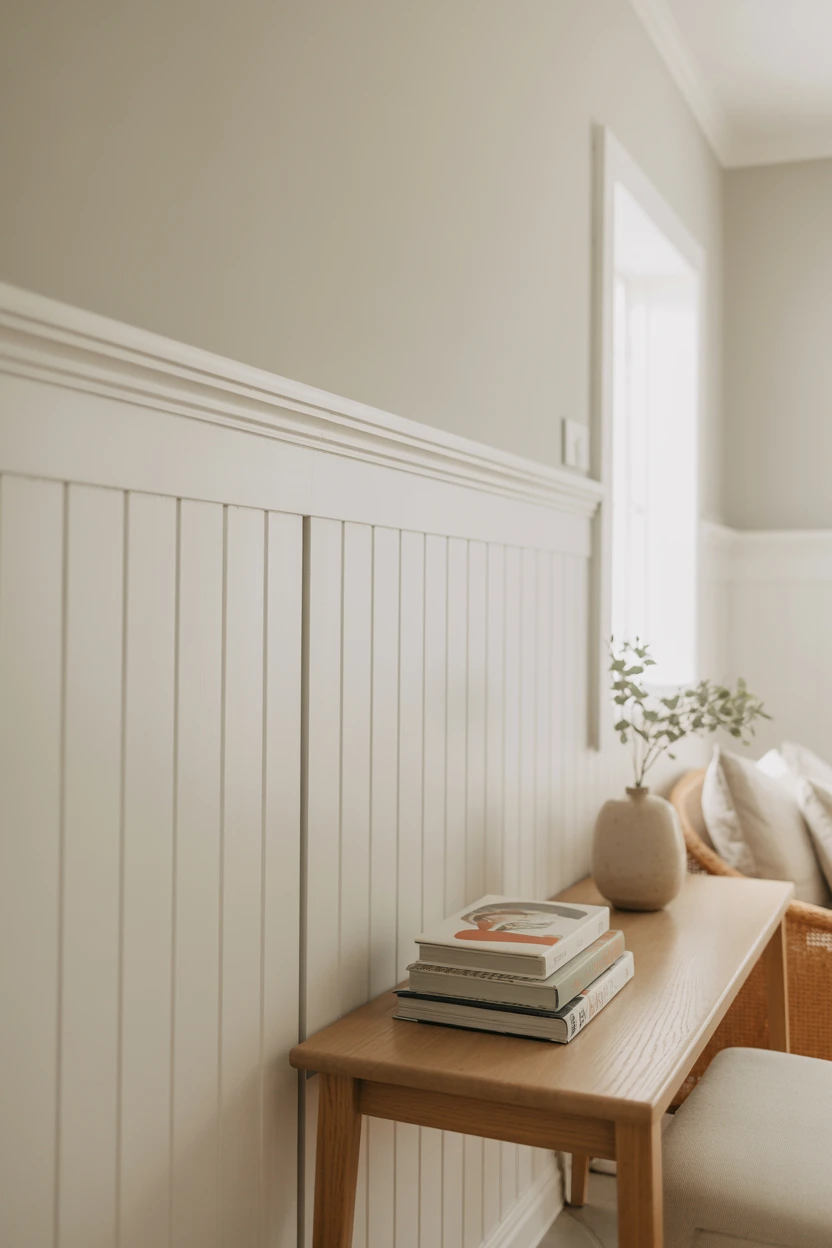
Move beyond the traditional chair-rail height. Taking your wainscoting up to the two-thirds or even three-quarters mark of the wall adds drama and a sense of history. This look is especially effective in rooms with high ceilings, but it can also make standard-height ceilings feel taller.
A simple board and batten style is perfect for this application. Use wider spacing between the vertical battens for a more modern, clean feel. Paint it a classic white or a soft neutral to keep the space feeling bright and open.
This is a fantastic wainscoting panel idea for hallways, entryways, or behind a sofa in a living room. The taller height provides a substantial backdrop for artwork or a mirror. It creates a defined zone that feels intentional and custom-built.
The key is proportion. In a room with an 8-foot ceiling, aim for a height of around 5 feet. This draws the eye upward and gives the room a grander scale without feeling overwhelming. The wall space above is the perfect spot for a contrasting paint color or a subtle wallpaper.
━━━━━━━━━━━━━━━━━━━━━━━━━━━━━━━━━━━
3. Frame Wallpaper Inside Picture Frame Molding
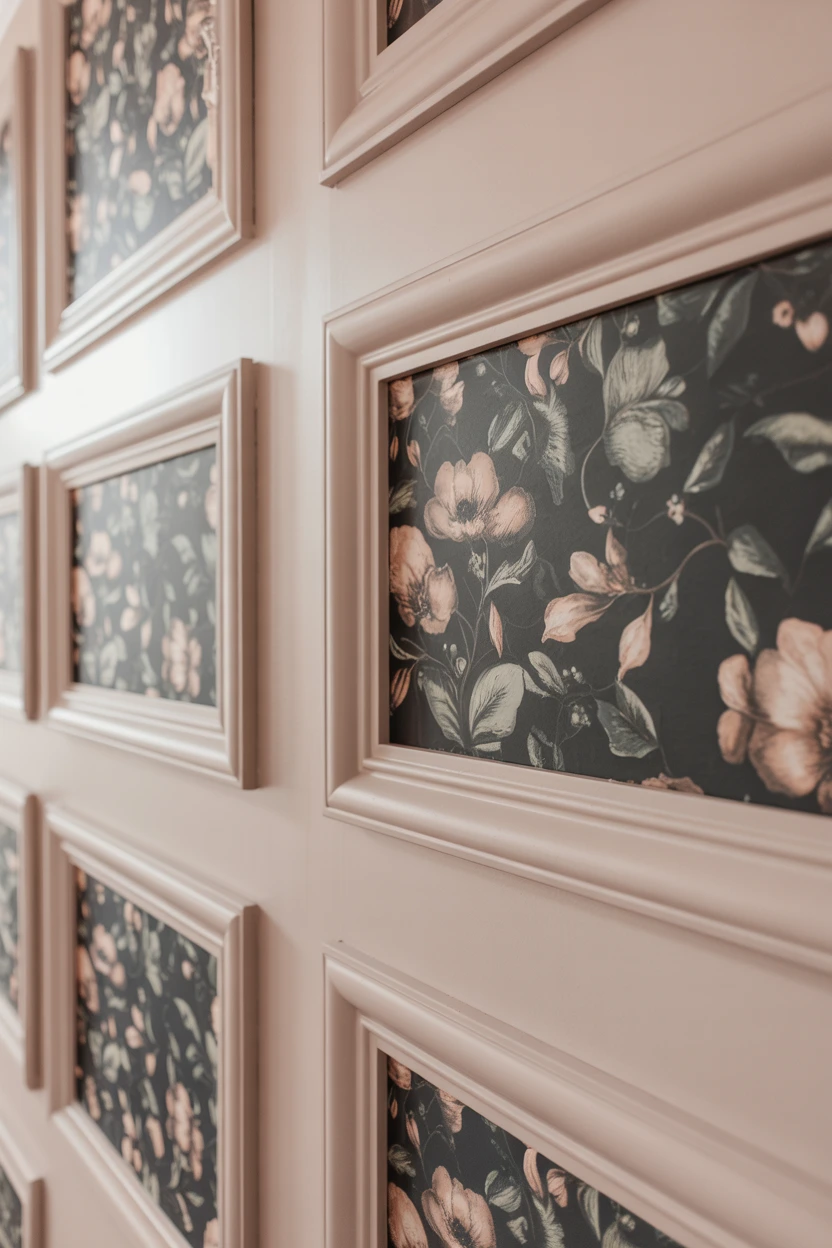
Picture frame molding, or box molding, adds a timeless, classic feel to any room. You can give this traditional style a creative update by applying wallpaper inside the boxes. This turns your wall into a series of custom art panels.
Choose a beautiful, high-impact wallpaper, like a floral, chinoiserie, or a modern geometric print. Install the picture frame molding first, then carefully cut and apply the wallpaper within the frames. This is a great way to use an expensive wallpaper you love without having to cover an entire room.
This is one of the most elegant wainscoting panel ideas for a formal dining room, a primary bedroom, or a powder room. It creates an immediate focal point and adds a layer of pattern and texture that feels incredibly luxurious.
For a cohesive look, paint the molding and the wall space between the boxes in the same color. Or, for more contrast, pull a color from the wallpaper pattern to use on the molding. The result is a bespoke feature wall that feels deeply personal and professionally designed.
The best design details are not just seen; they are felt.
━━━━━━━━━━━━━━━━━━━━━━━━━━━━━━━━━━━
4. Introduce Warmth with Fluted Wood Panels
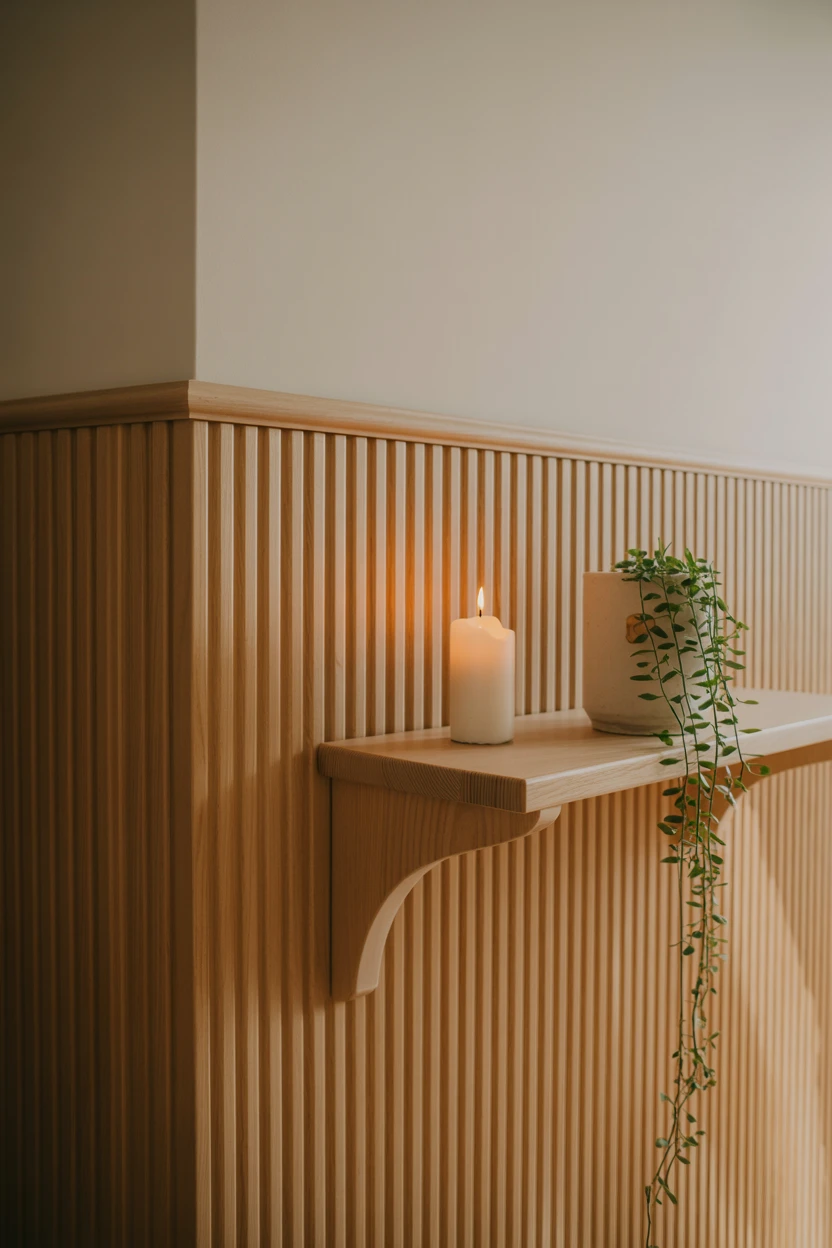
Fluted or reeded panels are having a major design moment, and for good reason. The repeating vertical lines add incredible texture and a sense of sophisticated rhythm to a wall. Using natural wood panels brings organic warmth and a touch of Japandi or mid-century modern style.
You can buy pre-made fluted panels in materials like white oak, walnut, or even paint-grade MDF. Install them as a half-wall treatment and top them with a simple, clean-lined ledge cap. Leave the wood in its natural, sealed state to let the grain shine.
This is a perfect creative wainscoting idea for a home office, a bedroom feature wall behind the bed, or a living room. The texture is subtle enough not to overwhelm the space but interesting enough to make a significant impact.
The vertical lines naturally draw the eye up, making the room feel taller. The warmth of the wood balances out cooler tones in the room and pairs beautifully with neutral paint colors and soft, layered textiles. It is a tactile detail that adds instant architectural interest.
━━━━━━━━━━━━━━━━━━━━━━━━━━━━━━━━━━━
5. Go Bold with a High-Gloss, High-Contrast Finish
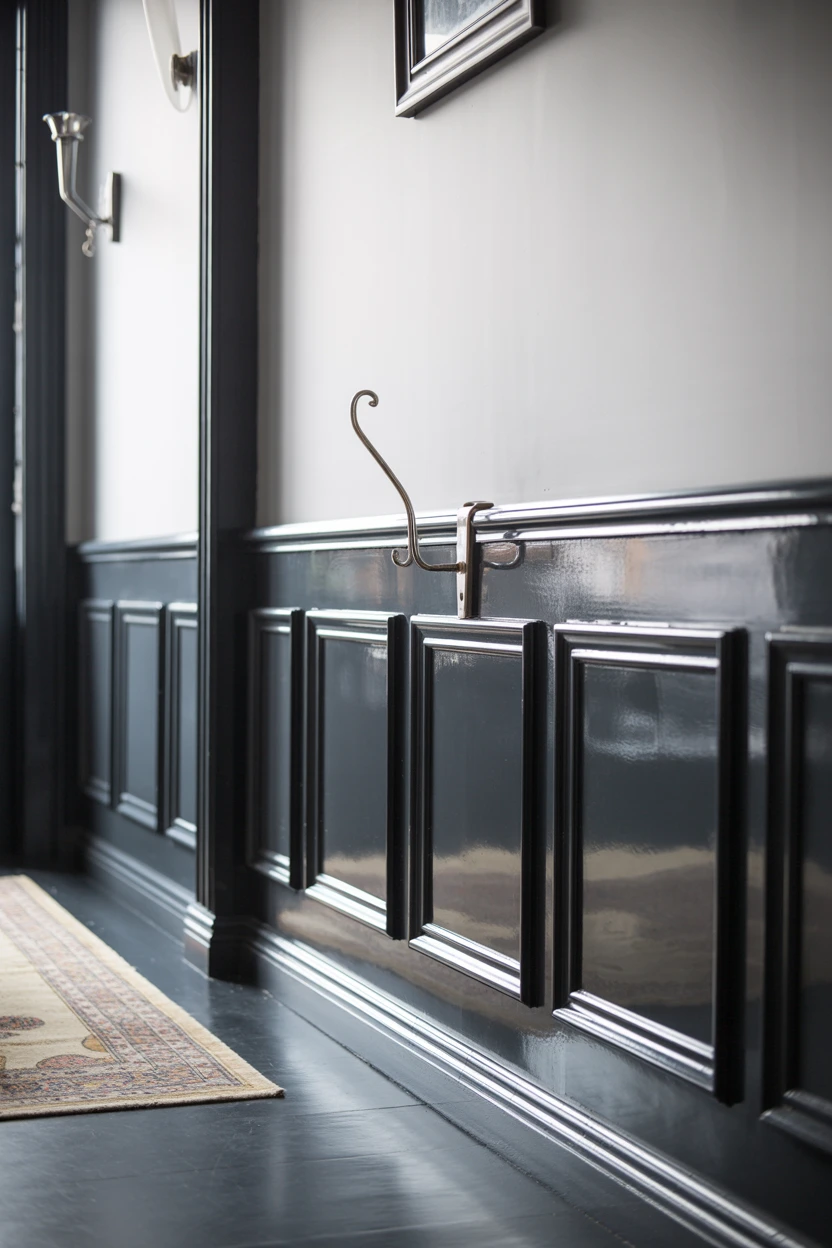
Give traditional wainscoting a dose of drama by painting it in a high-gloss finish. When paired with a matte wall above, the contrast in sheen is just as impactful as a contrast in color. It reflects light beautifully and adds a layer of unexpected glamour.
For maximum effect, choose a bold, dark color for the wainscoting, like black, deep navy, or emerald green. The high-gloss finish will make the color feel even richer and more saturated. Keep the wall above it a simple, clean white or a very light neutral to let the paneling be the star.
A high-gloss finish is also incredibly durable and easy to wipe clean, making this a surprisingly practical wainscoting panel idea for high-traffic areas like foyers, mudrooms, and hallways. It is a statement that is built to last.
The key to a flawless result is prep work. The surface must be perfectly smooth before painting, as a glossy finish will highlight any imperfections. The extra effort is worth it for a finish that looks like custom lacquerware.
━━━━━━━━━━━━━━━━━━━━━━━━━━━━━━━━━━━
6. Create a Modern Grid Pattern
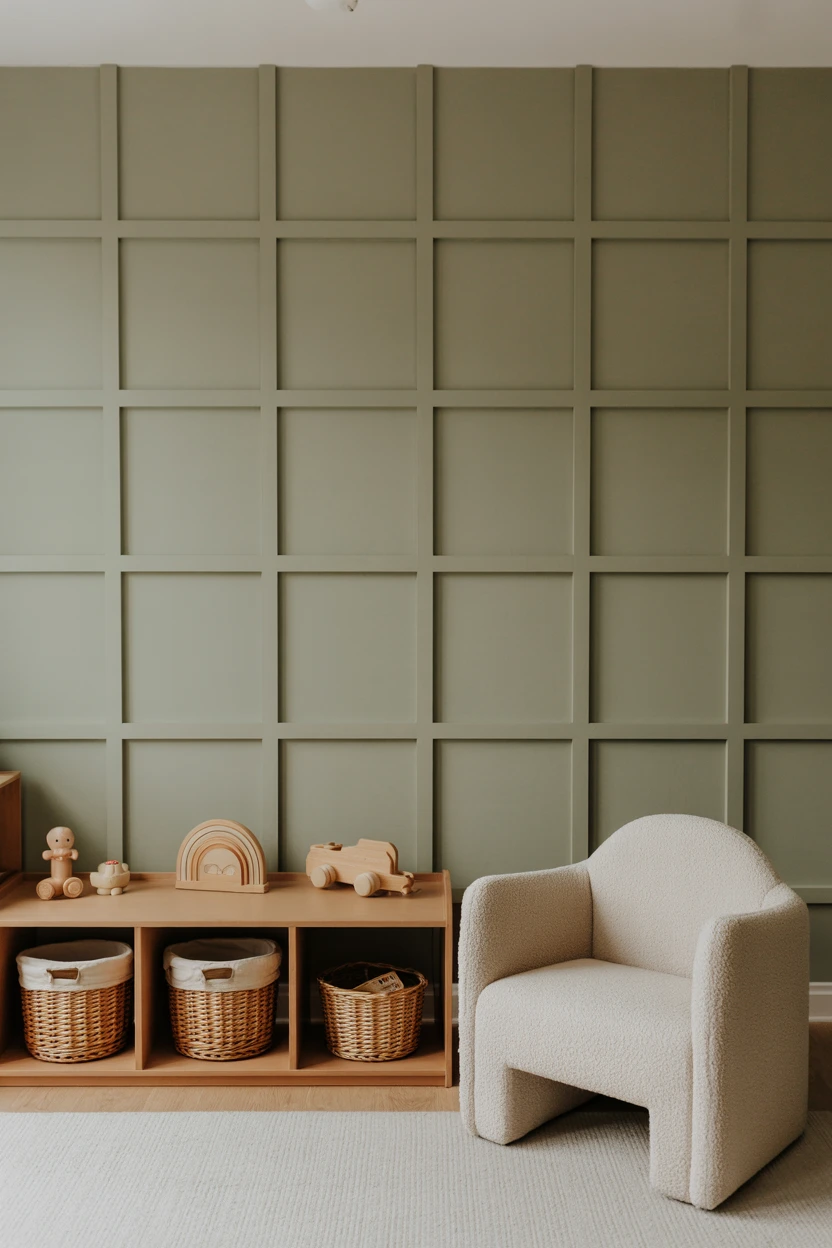
Board and batten does not have to be just vertical. Creating a full grid of squares or rectangles across an entire wall is a fresh, modern take on this classic style. It adds a strong geometric element that feels both playful and structured.
Plan your grid carefully based on your wall dimensions to ensure the boxes are uniform. Use thinner trim boards (like 1x2s or 1x3s) for a more delicate, contemporary look. Paint the entire wall, grid and all, in a single color to emphasize the pattern and texture.
This is a wonderful wainscoting panel idea for a child’s bedroom, a home office, or a modern family room. The grid provides a sense of order and rhythm that is visually calming. It serves as a perfect backdrop that is interesting but not overly busy.
Choose a soft, muted color like sage green, dusty blue, or a warm terracotta to keep the geometric pattern from feeling too harsh. The finished wall has a custom, built-in feel that adds immense value and personality to the room.
Architectural details are the foundation of a room’s character.
━━━━━━━━━━━━━━━━━━━━━━━━━━━━━━━━━━━
7. Add Texture with Skinny Vertical Shiplap
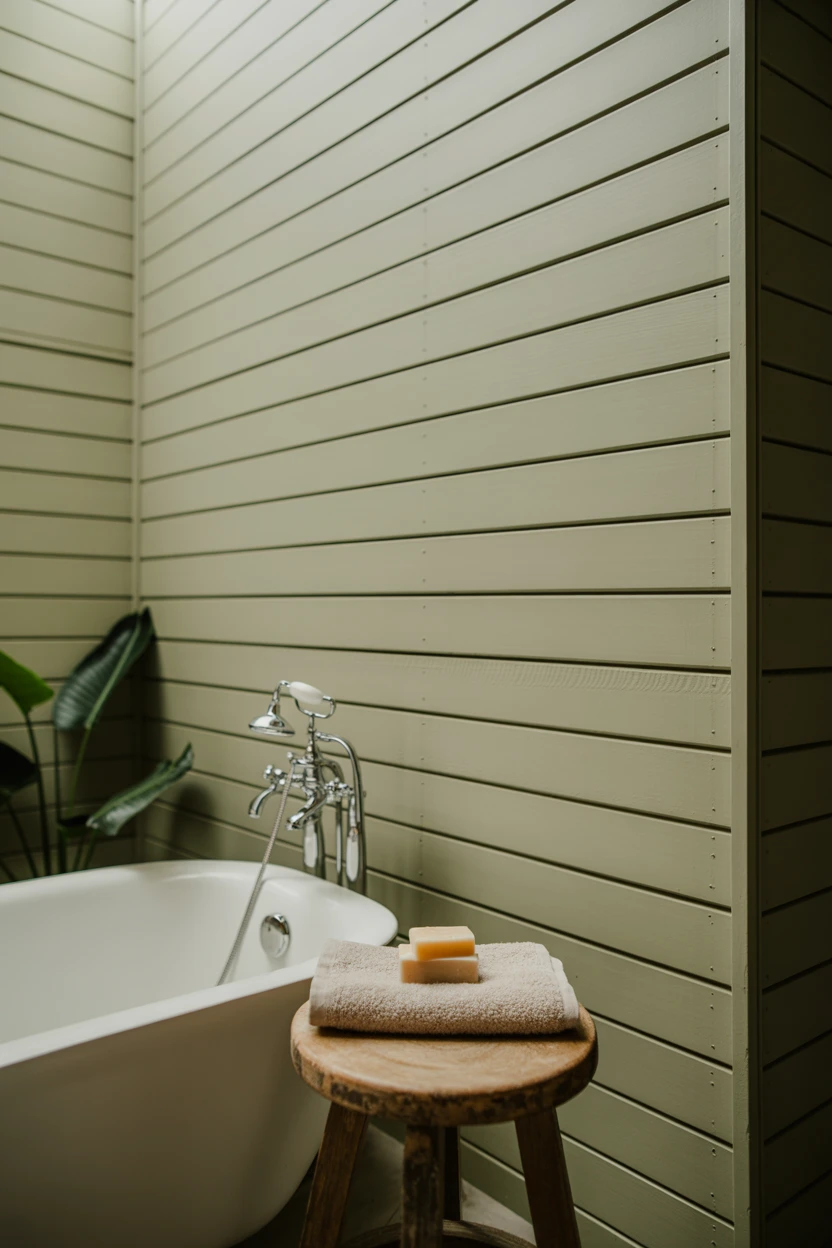
While horizontal shiplap defined the modern farmhouse look, vertical shiplap offers a more refined, contemporary alternative. Using thin planks, sometimes called “skinny-lap,” creates a subtle, pinstripe-like texture that elongates the walls and makes a room feel taller.
Install the planks from floor to ceiling for a seamless look, or use it as a half-wall treatment topped with a simple ledge. This style is incredibly versatile and works well in bathrooms, laundry rooms, or as a feature wall in a bedroom.
Painting the vertical shiplap in a soft, light color enhances its textural quality without overwhelming the space. Consider shades of pale gray, greige, or even a very light, airy blue. This creative wainscoting idea adds character while maintaining a clean, uncluttered feeling.
Unlike bolder patterns, the subtle lines of skinny shiplap provide a gentle rhythm that is soothing to the eye. It is the perfect way to add architectural interest to a room where you want to create a calm and relaxing atmosphere, like a spa-inspired bathroom.
━━━━━━━━━━━━━━━━━━━━━━━━━━━━━━━━━━━
8. Use a Ledge Cap for a Functional Display
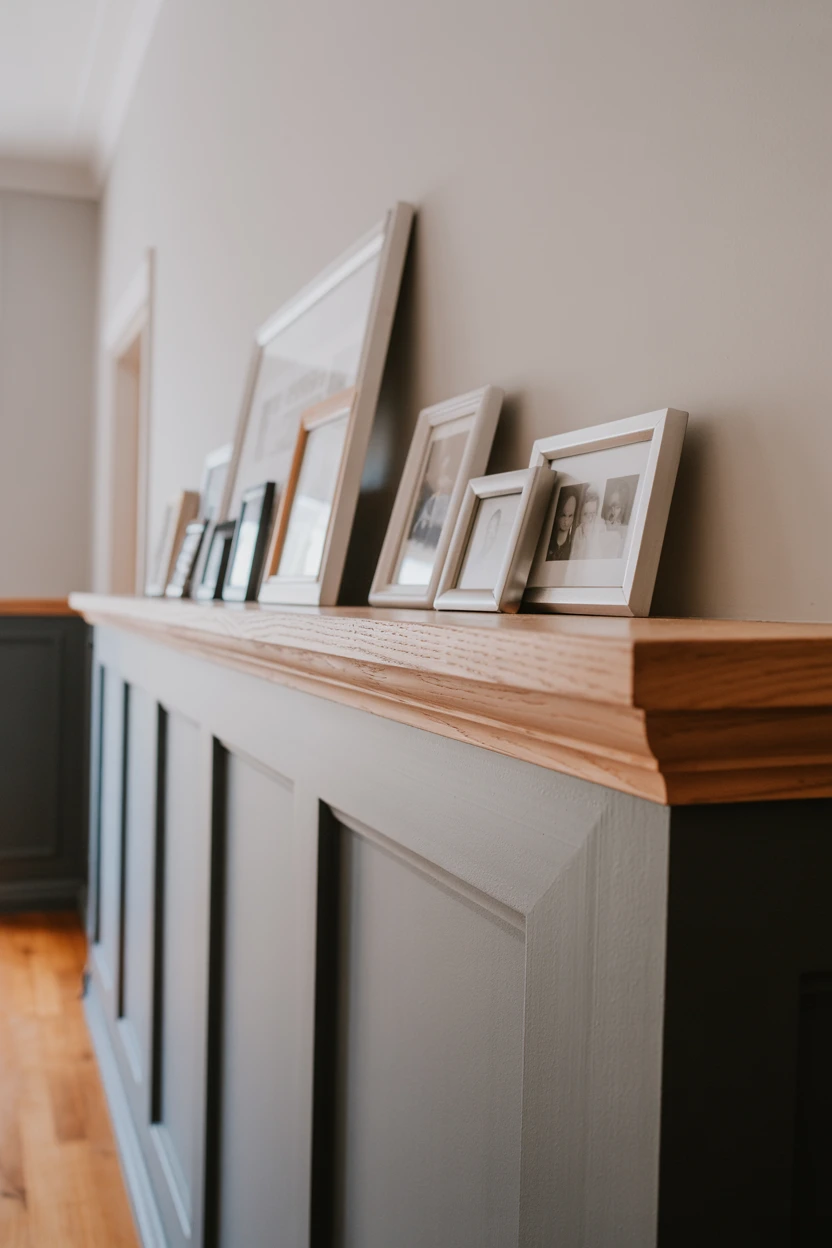
Make your wainscoting work for you by installing a slightly deeper top ledge. This simple addition transforms your wall treatment into a functional picture ledge, perfect for displaying art, photos, or small decorative objects.
Install your chosen wainscoting style—board and batten, shiplap, or picture frame molding—to your desired height. Instead of a standard thin chair rail, top it with a 1×4 or 1×6 board to create a narrow shelf. This provides a casual, layered way to display decor.
This is one of an incredibly practical wainscoting panel idea, especially for long hallways or entryways where floor space is limited. It allows you to create a beautiful, rotating gallery wall without putting dozens of nail holes in your walls.
You can paint the ledge the same color as the wainscoting for a cohesive look, or use a contrasting material like a stained wood for more warmth and definition. It is a detail that merges form and function beautifully, adding both style and utility.
━━━━━━━━━━━━━━━━━━━━━━━━━━━━━━━━━━━
9. Carry Wainscoting Up the Stairs
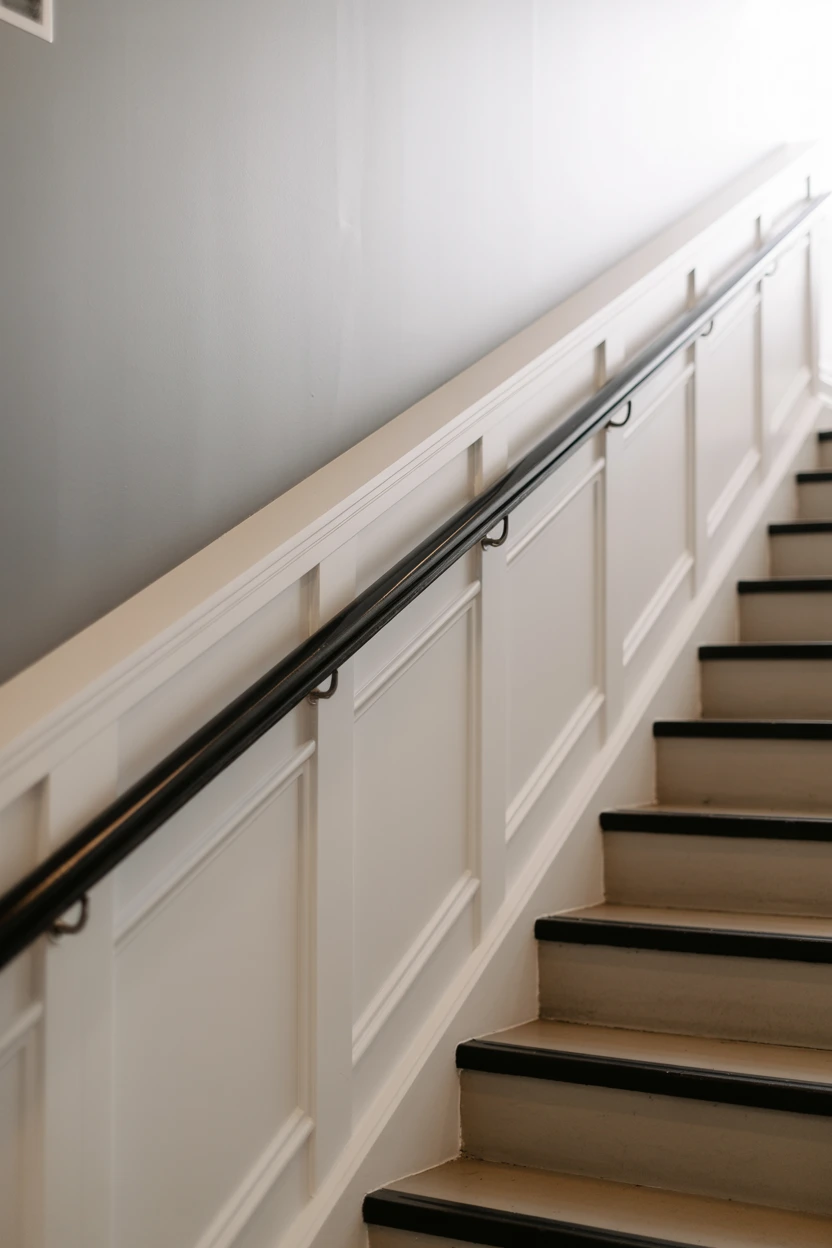
A staircase wall is a prime candidate for a wainscoting treatment. Extending the paneling up the incline of the stairs adds a strong architectural line that guides the eye upward. It makes the entire space feel more connected and grand.
Board and batten is an excellent choice for this because the angles are relatively easy to manage. The key is careful measurement to ensure the trim follows the slope of the stairs perfectly. Painting it a crisp white is a classic choice that brightens the often-dark space of a stairwell.
This wainscoting panel idea adds a level of custom detail that makes a standard builder-grade home feel much more considered. It also protects the wall from scuffs and marks in a very high-traffic area, blending practicality with timeless style.
The continuous line of the wainscoting creates a beautiful sense of flow from one floor to the next. It connects the lower and upper levels visually, making the entire home feel more cohesive and intentionally designed.
A room should feel like it was built with intention, not just decorated.
━━━━━━━━━━━━━━━━━━━━━━━━━━━━━━━━━━━
10. Create an Asymmetrical Geometric Design
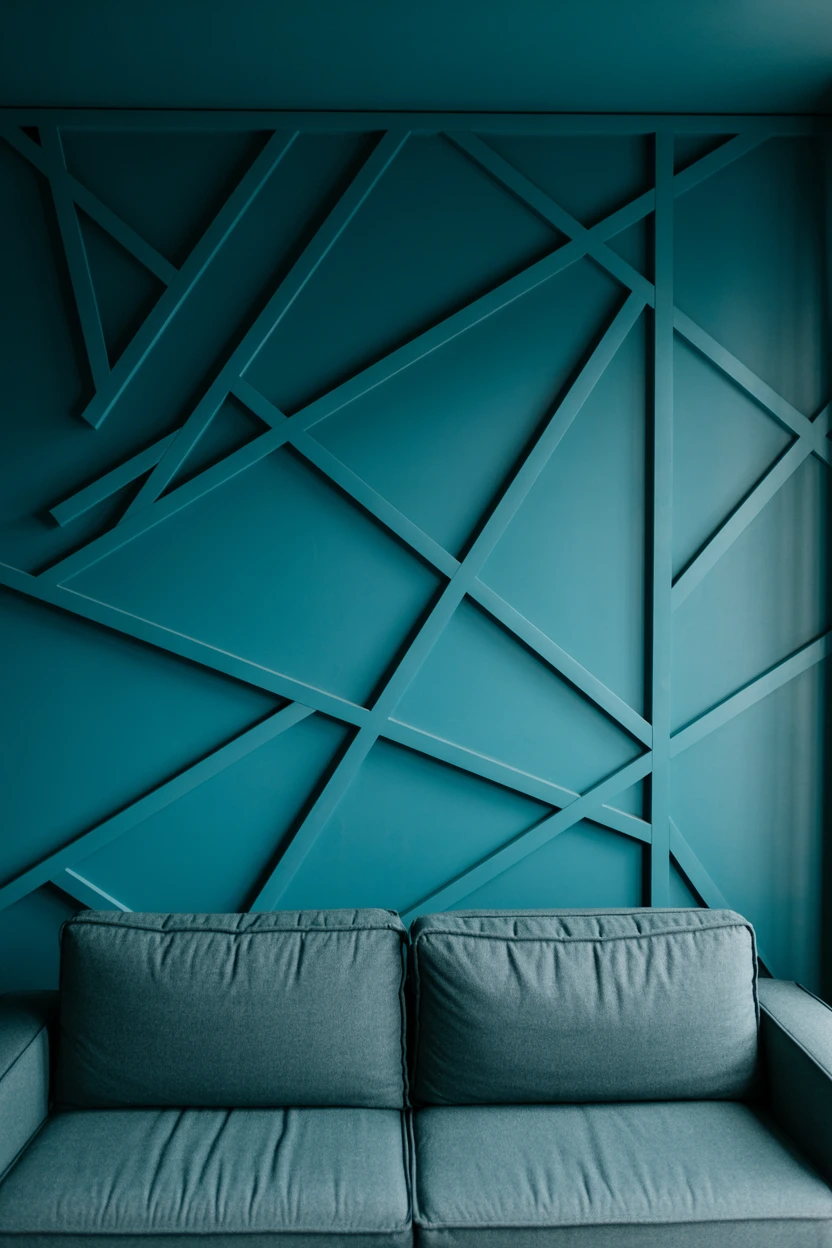
Who says wainscoting has to be symmetrical? For a truly unique and modern statement, create a custom geometric pattern with thin pieces of trim. Think intersecting lines, abstract shapes, and an asymmetrical layout that feels like a piece of art.
Start by sketching a design on paper, or use painter’s tape on the wall to play with different layouts before committing. Use slim, flat-stock molding and a miter saw to cut your angles precisely. This is a project that requires patience, but the result is a one-of-a-kind feature wall.
This is a show-stopping creative wainscoting idea for a media wall in a living room, a home office, or behind a headboard in a contemporary bedroom. Painting the wall and trim the same color allows the shadow lines of the pattern to create the visual interest.
Choose a rich, saturated color to make the design pop. The play of light and shadow across the different angles will change throughout the day, creating a dynamic feature that always feels interesting and new.
━━━━━━━━━━━━━━━━━━━━━━━━━━━━━━━━━━━
11. Mix Beadboard with a Smooth Wall
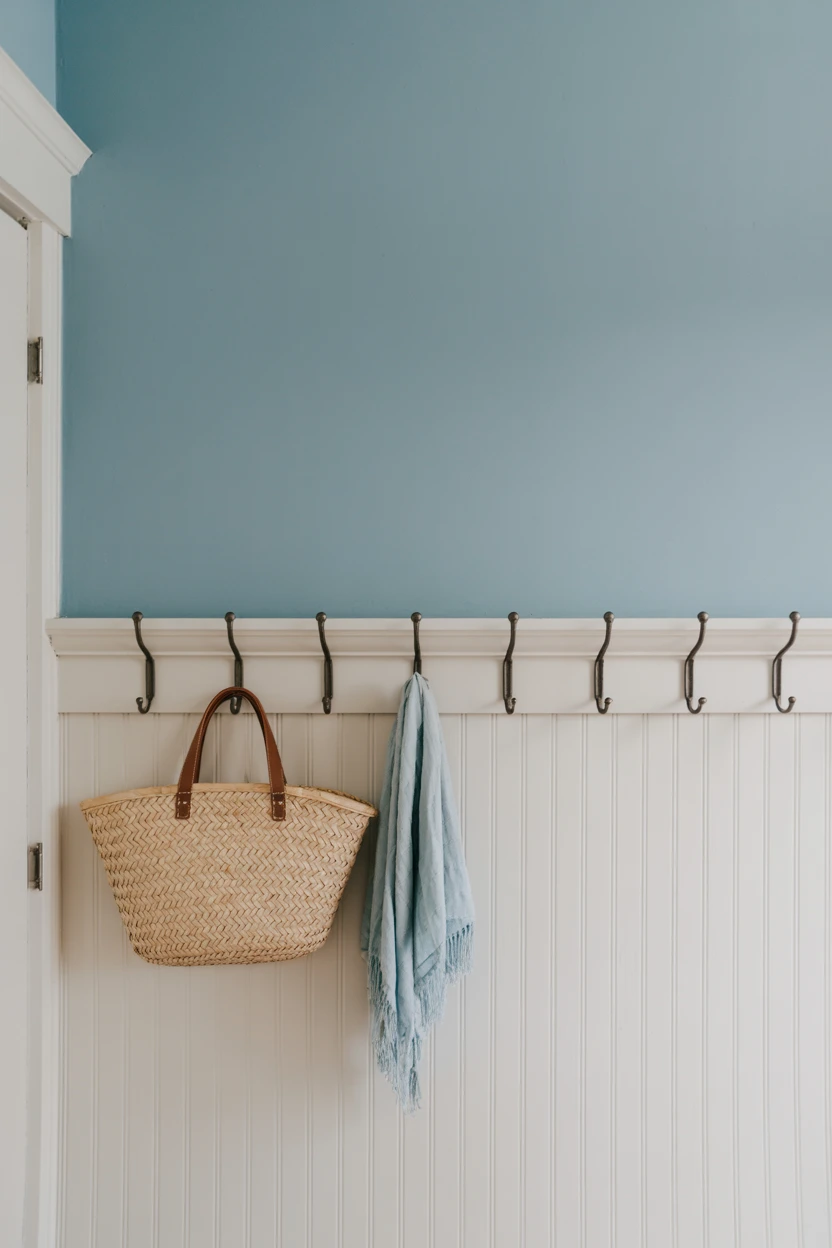
Beadboard is a timeless choice that instantly adds a touch of cottage or coastal charm. While it can sometimes feel dated, the key to making it modern is the contrast. Pairing classic beadboard on the bottom with a perfectly smooth, unadorned wall on top feels fresh and clean.
Install the beadboard panels to a height of about 48 inches, a little taller than the standard chair rail, for a more substantial look. Paint the beadboard a crisp white or a soft cream and choose a contrasting color for the wall above. A soft blue, pale green, or warm gray works beautifully.
This is a wonderful wainscoting panel idea for spaces that need to feel clean and durable, like bathrooms, laundry rooms, or mudrooms. The beadboard provides a protective, easy-to-clean surface on the lower wall where scuffs are most likely to happen.
The combination of the textured vertical lines of the beadboard and the flat, smooth wall above creates a pleasing visual balance. It is a simple, budget-friendly way to add character that will never go out of style.
━━━━━━━━━━━━━━━━━━━━━━━━━━━━━━━━━━━
12. Install a Low-Profile, Minimalist Wainscoting
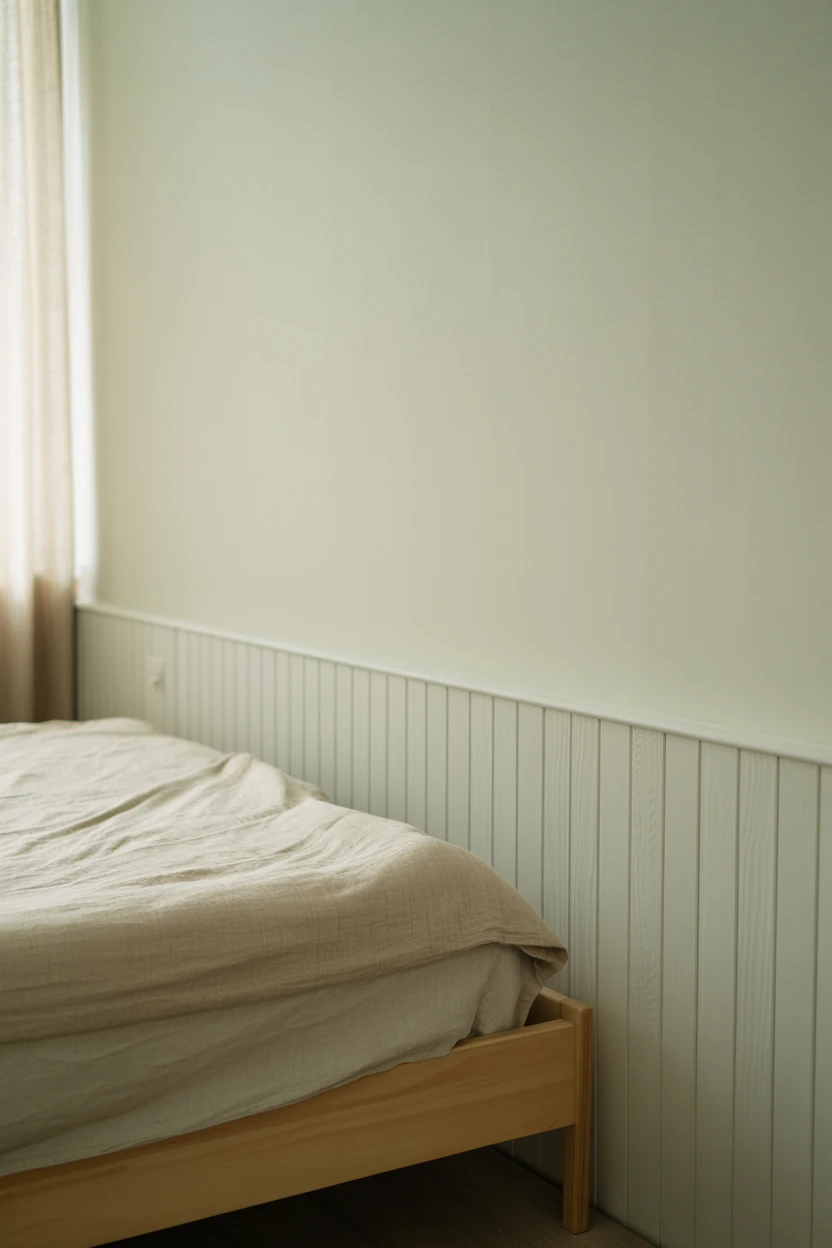
Wainscoting does not have to be tall and dramatic to make an impact. A very low-profile version can add a subtle architectural line that feels modern and understated. This is about adding a finishing detail, not creating a major feature.
Create this look by using a single wide, flat board as a baseboard (like a 1×6 or 1×8) and topping it with a very simple, small piece of cap molding. Keep the total height under 24 inches. Paint it the same color as the walls for the most subtle effect.
This minimalist wainscoting panel idea works beautifully in modern, Scandinavian, or Japandi-style interiors where you want to add a layer of detail without adding visual clutter. It provides a clean, finished line at the base of the room.
This approach subtly defines the perimeter of the space and gives the walls a more solid, grounded feeling. It is a perfect example of how a small, thoughtful detail can add a significant amount of polish to a simple room.
True luxury is in the details you don’t notice at first.
━━━━━━━━━━━━━━━━━━━━━━━━━━━━━━━━━━━
13. Use Two Tones of the Same Color
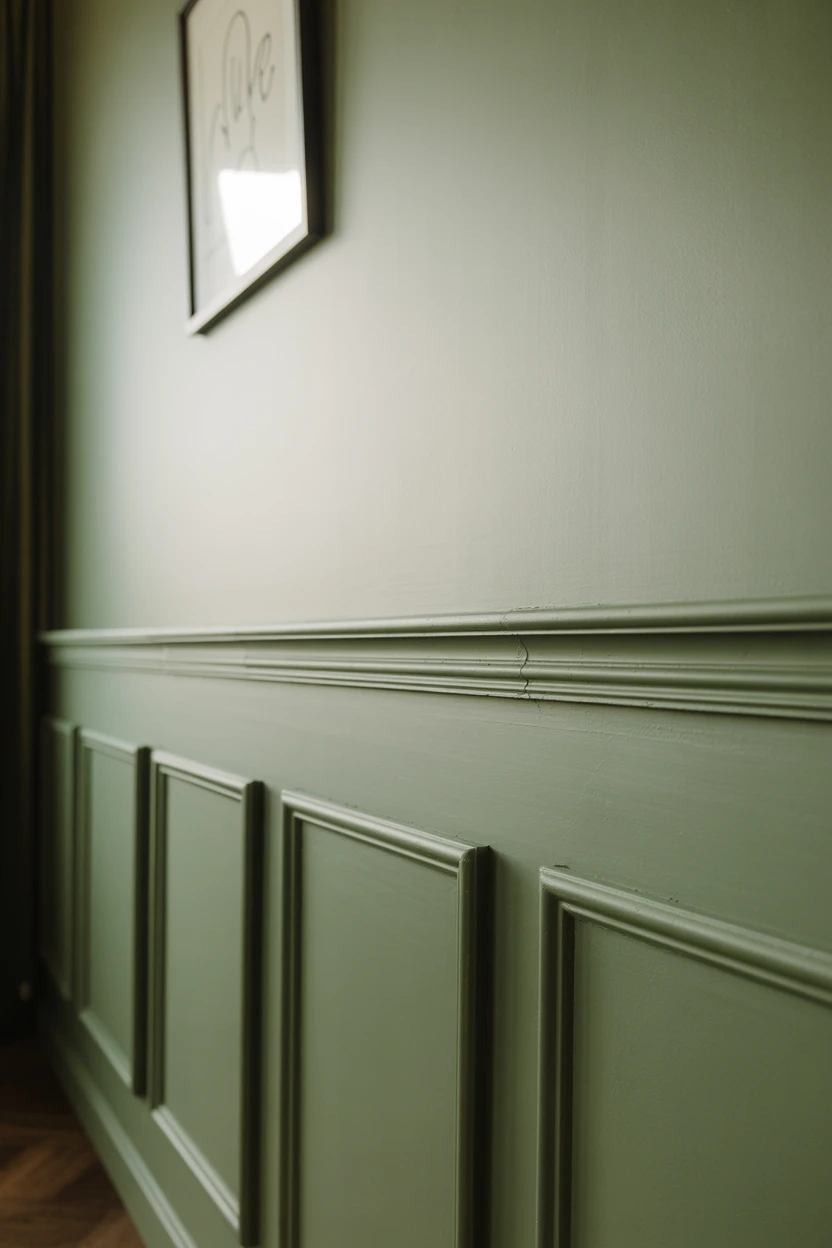
For a subtle and sophisticated color scheme, use two different shades from the same paint swatch card. Paint the wainscoting in the darker, more saturated tone and the wall above it in a lighter version. This creates a beautiful, layered, tonal effect.
This technique works with any color family, from grays and beiges to blues and greens. Choose a color you love and select two shades that are at least two steps apart on the paint strip to ensure there is enough of a visible difference.
Using a satin or eggshell finish on the wainscoting and a matte finish on the wall above will add another layer of subtle contrast. This is a refined wainscoting panel idea that adds depth and dimension without introducing a new color into your palette.
The result is a harmonious and calming space that feels expertly coordinated. It is a designer trick that is surprisingly easy to execute and makes any room feel more polished and intentional.
━━━━━━━━━━━━━━━━━━━━━━━━━━━━━━━━━━━
14. Create a Rustic Look with Reclaimed Wood
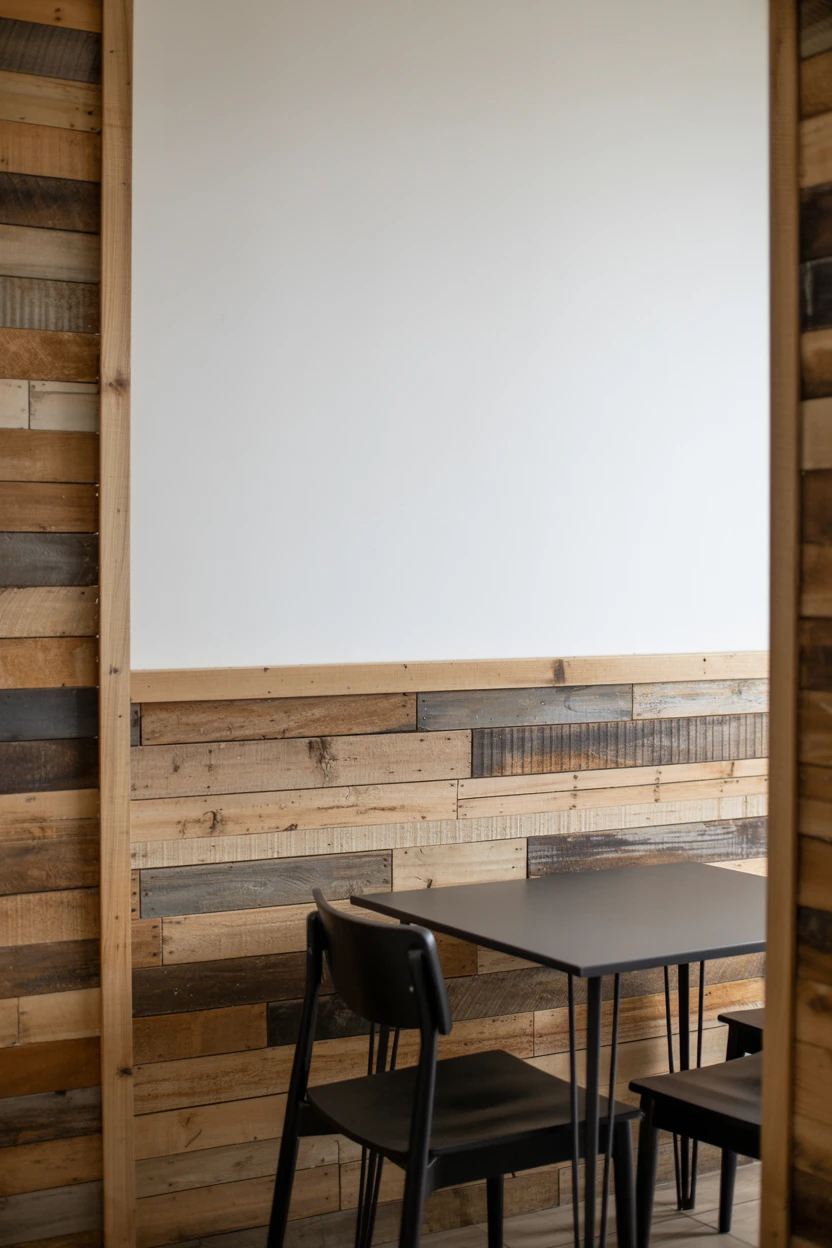
For a dose of rustic charm and texture, use reclaimed wood planks to create your wainscoting. The natural imperfections, color variations, and aged patina of the wood add instant character and warmth that cannot be replicated with new materials.
Arrange the planks horizontally for a shiplap-style look, or vertically for a different feel. You can find reclaimed wood from salvage yards or buy manufactured products that mimic the look. Lightly sand the wood to prevent splinters but leave the natural character intact.
This is a perfect creative wainscoting idea for a farmhouse-style kitchen, a cozy family room, or a cabin-inspired space. To keep the look from feeling too heavy, pair the wood wainscoting with clean white walls and modern furniture.
The contrast between the rustic, textured wood and the smooth, bright walls creates a beautiful balance. It is a way to bring a natural, organic element indoors that makes the entire space feel more grounded and authentic.
━━━━━━━━━━━━━━━━━━━━━━━━━━━━━━━━━━━
15. Take It to the Ceiling
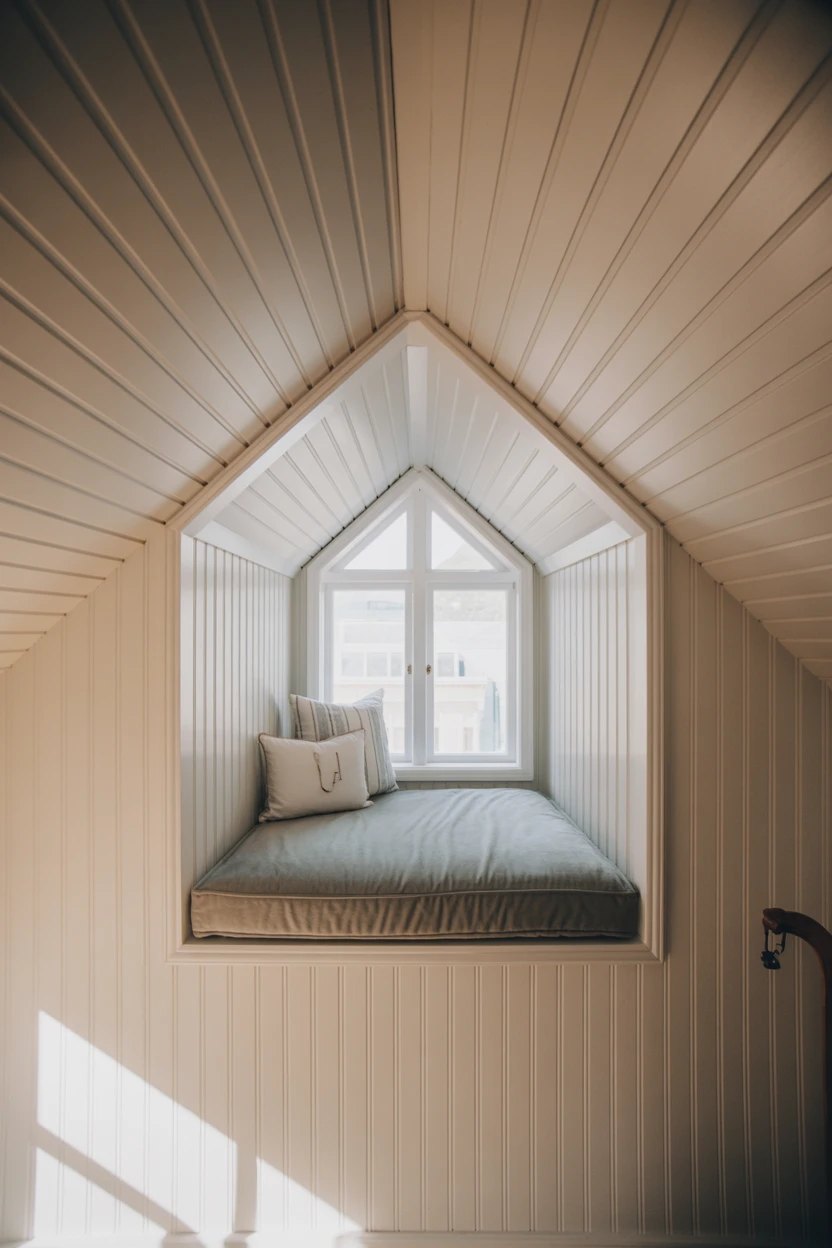
Why stop at the walls? In rooms with interesting architectural features like sloped ceilings, dormers, or small nooks, carrying the wainscoting paneling all the way up and onto the ceiling can create a stunning, cohesive look.
Beadboard or skinny shiplap are excellent choices for this application. They wrap the entire space in texture, creating a cozy, jewel-box effect. This technique works wonders in attics, small bedrooms, or any space where you want to emphasize the unique shape of the room.
Paint the entire surface—walls and ceiling—the same color, typically a white or very pale neutral, to make the space feel as large and bright as possible. This wainscoting panel idea turns an awkward space into a celebrated feature.
By treating all surfaces as one, you blur the lines between wall and ceiling, which can make a small or oddly shaped room feel more intentional and less disjointed. It is a commitment that pays off with incredible charm.
Design is finding the perfect balance between beauty and purpose.
━━━━━━━━━━━━━━━━━━━━━━━━━━━━━━━━━━━
16. Paint the Inside of Boxes a Different Color
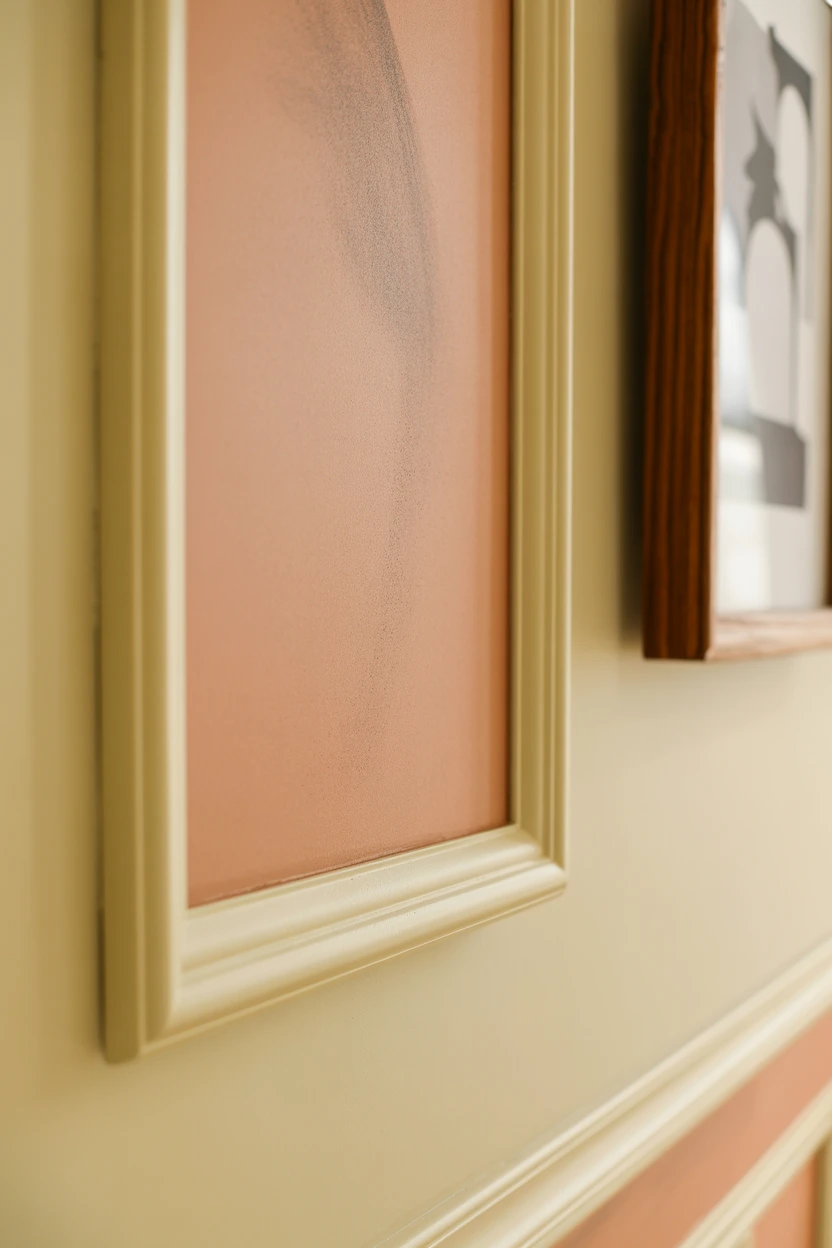
Here is another creative twist on classic picture frame wainscoting. Instead of keeping everything one color or adding wallpaper, simply paint the flat wall space inside the boxes a different color. This creates a color-blocked effect that is both classic and modern.
For a subtle look, choose a contrasting color that is only a few shades darker or lighter than the main wall and trim color. For a bolder statement, use a completely different color that complements your room’s decor, like a warm terracotta, a deep blue, or a soft blush.
This wainscoting panel idea is a fantastic way to introduce an accent color in a structured and intentional way. It is less commitment than an entire accent wall but provides more impact than just a few throw pillows.
The molding acts as a perfect frame for the color, making it feel deliberate and integrated into the architecture of the room. It adds depth and a custom feel with just a small amount of paint and some precise brushwork.
━━━━━━━━━━━━━━━━━━━━━━━━━━━━━━━━━━━
17. Go for an Organic, Scalloped Edge
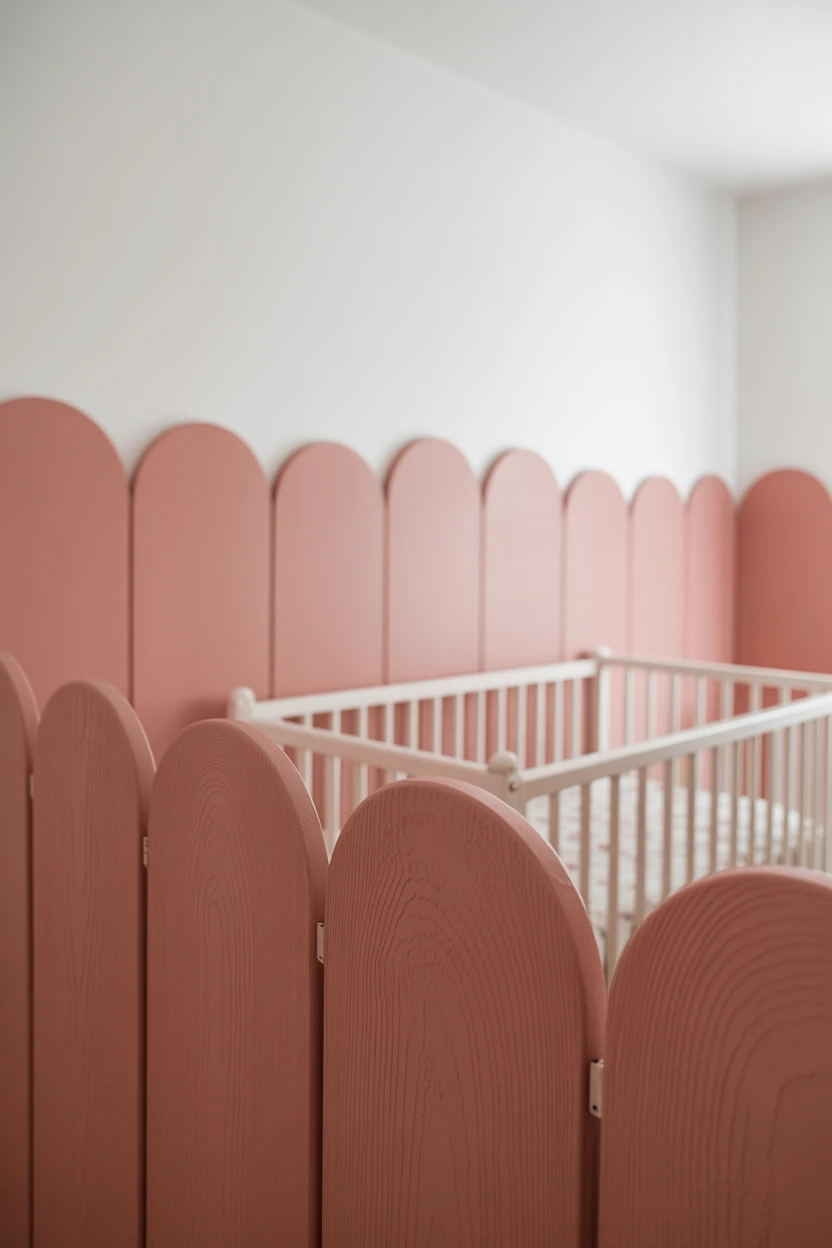
This creative idea gives you the effect of wainscoting without a single piece of wood. Create a “faux” wainscoting by painting the lower portion of your wall and finishing the top edge with a hand-painted scalloped pattern. It is a soft, organic, and playful take on a traditional architectural detail.
First, paint the lower section of your wall up to your desired height. Then, use a round object like a small plate or a roll of tape and a pencil to trace uniform half-circles along the top edge. Carefully fill in the scallops with a small brush.
This is an adorable and budget-friendly wainscoting panel idea for a nursery, a child’s playroom, or any space where you want to add a touch of whimsy and softness. It avoids the hard lines of traditional molding for something more gentle.
You can choose any color combination you like, from soft pastels to bold, high-contrast pairings. It is a completely reversible DIY project that adds a huge amount of personality and custom charm to a room.
━━━━━━━━━━━━━━━━━━━━━━━━━━━━━━━━━━━
18. Add a Thin Brass or Black Metal Inlay
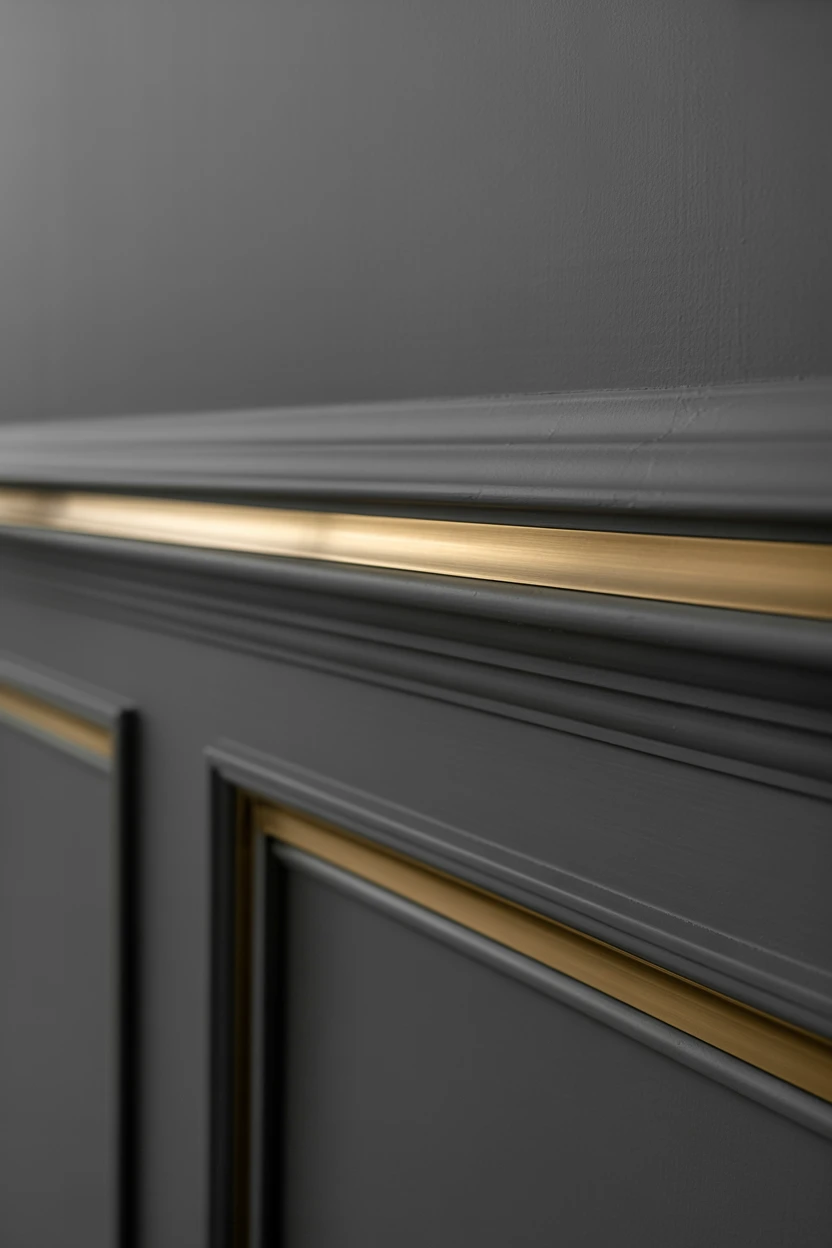
For a touch of ultimate refinement, incorporate a thin metal inlay into your wainscoting design. A slim strip of brushed brass, polished nickel, or matte black metal set flush into the molding adds a subtle glint of luxury that elevates the entire installation.
This is an advanced technique that may require a router to create a channel for the metal strip to sit in. The metal Schluter strips often used in tiling are perfect for this. Place the inlay along the top edge of the wainscoting or use it to outline panel boxes.
This creative wainscoting idea is perfect for a space where you want to achieve a “quiet luxury” feel, like a formal living room, a high-end home office, or a powder room. It is a small detail that signals exceptional quality and craftsmanship.
When paired with a dark, moody paint color, a brass inlay adds a warm, jewelry-like detail. With a light, neutral paint, a black inlay can provide a sharp, graphic line. It is a truly custom touch that feels incredibly high-end.
The simplest line can often make the most powerful statement.
━━━━━━━━━━━━━━━━━━━━━━━━━━━━━━━━━━━
19. Use Peg Rail as a Functional Cap
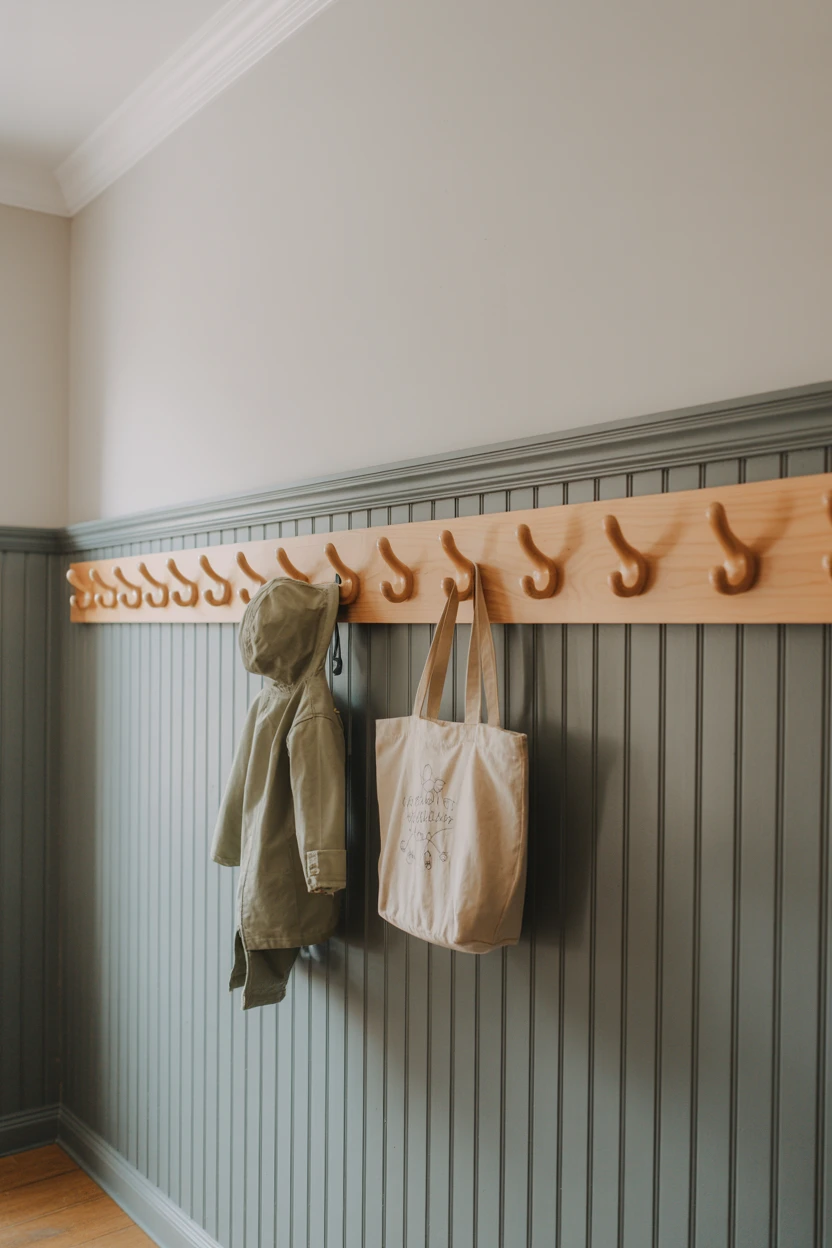
Combine the beauty of wainscoting with the utility of Shaker design by using a peg rail as the top piece of your installation. This provides a beautiful and highly functional spot to hang coats, bags, hats, and scarves.
Install your wainscoting—a simple flat panel or board and batten works well—up to a practical height for hanging items, typically around 5 to 6 feet in an entryway. Then, mount a classic Shaker-style peg rail directly on top as the finishing piece.
This is one of the most useful wainscoting panel ideas for entryways, mudrooms, laundry rooms, and even kitchens or bedrooms. It provides accessible, open storage that encourages tidiness while adding timeless, handcrafted charm.
You can paint the peg rail the same color as the wainscoting for a built-in look or use a contrasting natural wood for warmth. It is a perfect marriage of form and function that embodies simple, thoughtful design.
━━━━━━━━━━━━━━━━━━━━━━━━━━━━━━━━━━━
20. Install Horizontal Board and Batten
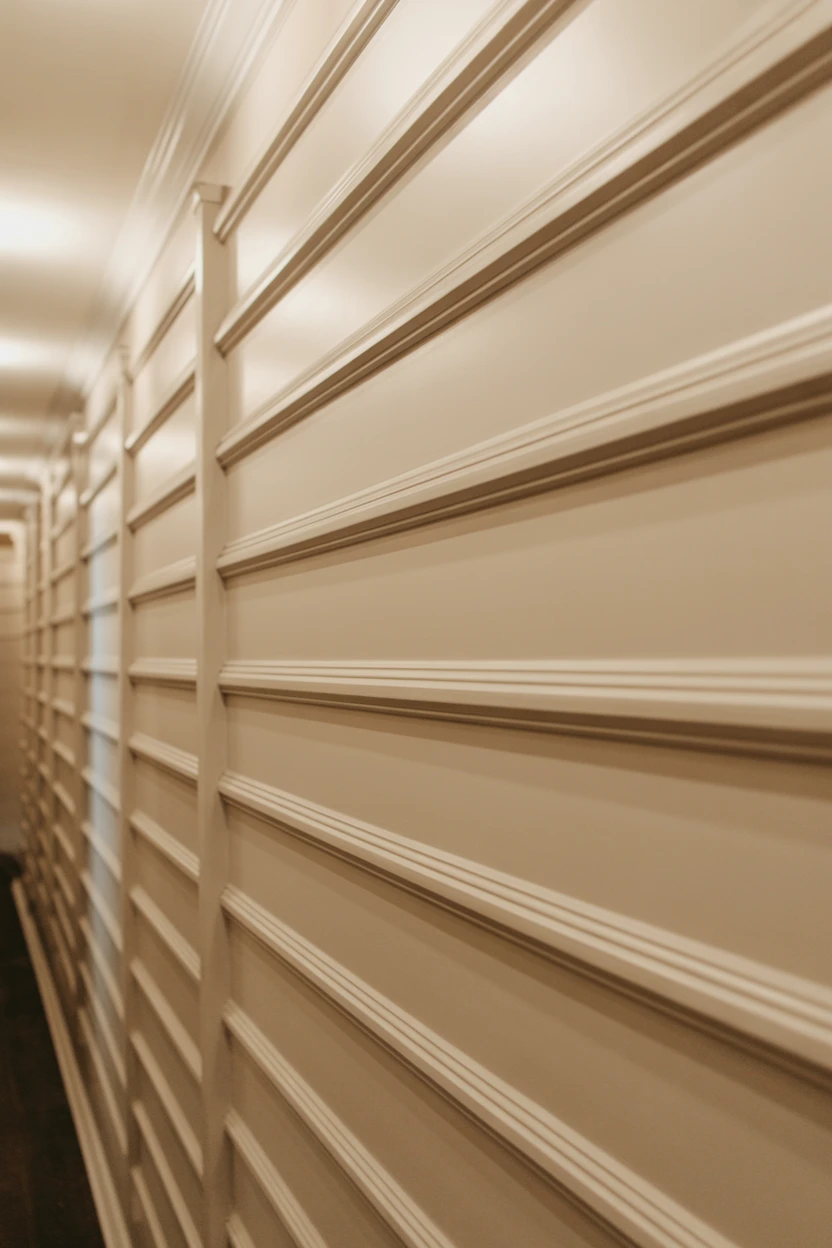
Flip the script on classic board and batten by running the boards horizontally instead of vertically. This creates strong horizontal lines that can make a narrow space, like a hallway, feel wider and more expansive. It is an unexpected twist that feels fresh and modern.
Use wide, flat-stock boards and space them evenly from floor to ceiling, or just on the lower half of the wall. This look is all about clean lines and repetition. Painting the entire wall a single color is essential to let the texture be the main feature.
This creative wainscoting idea is a great way to add interest to a long, plain wall without introducing a busy pattern. The clean lines have a calming, orderly effect that works well in contemporary and transitional homes.
The play of light and shadow on the horizontal edges adds subtle depth and dimension. It is a simple concept that completely changes the perceived geometry of a room, proving that a small change in direction can make a big difference.
━━━━━━━━━━━━━━━━━━━━━━━━━━━━━━━━━━━
21. Create an Ombré or Color-Wash Effect
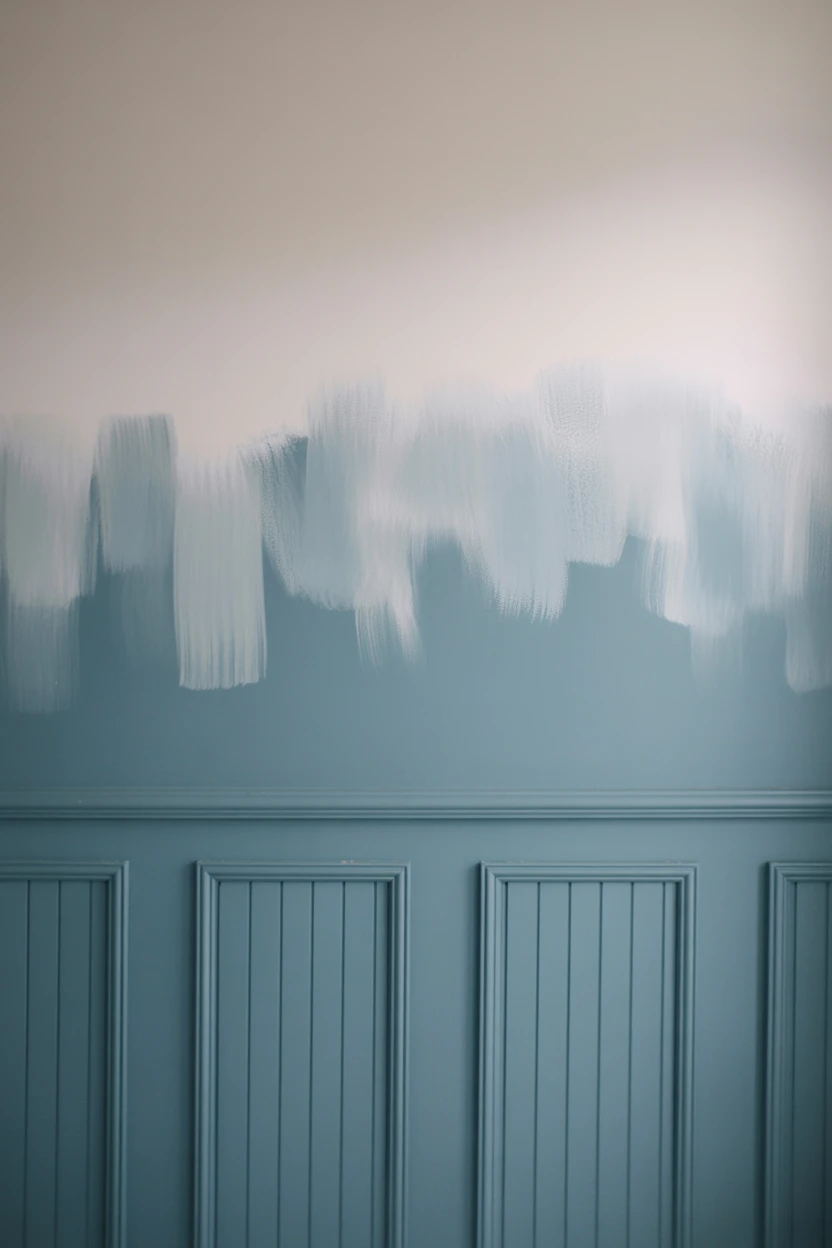
For a truly artistic and unique approach, apply a paint treatment like an ombré or color wash to your wainscoting. This involves blending colors to create a soft, gradual transition from dark to light. It turns a structural element into a canvas.
Choose two or three shades of the same color. Start with the darkest shade at the bottom of the wainscoting. While the paint is still wet, begin blending in the next lighter shade, working your way up. Use a spray bottle with water and a soft brush to help create a seamless gradient.
This is a beautiful wainscoting panel idea for a bedroom or any space where you want to create a dreamy, ethereal atmosphere. The soft, blended color feels calming and adds a handmade, artistic touch to the room.
The effect is stunning and surprisingly forgiving for a DIYer. The imperfections in the blending are part of the charm. It is a way to make your wainscoting feel less like a rigid architectural element and more like a fluid piece of art.
Let your walls tell a story of texture, color, and light.
━━━━━━━━━━━━━━━━━━━━━━━━━━━━━━━━━━━
22. Use Large-Scale Picture Frame Molding
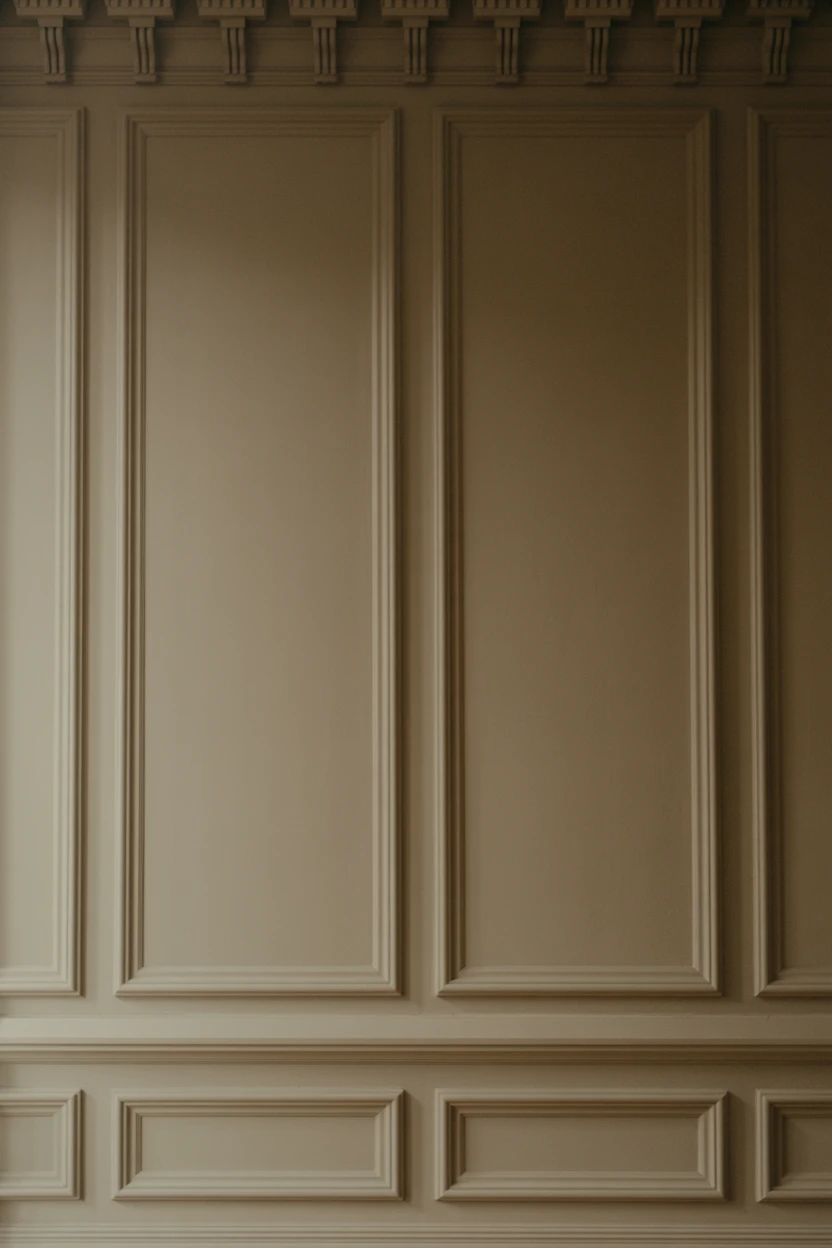
In rooms with tall ceilings, playing with scale can have a huge impact. Instead of multiple small boxes, install just one or two very large picture frame molding rectangles on each wall. This creates a bold, architectural statement that feels both classic and contemporary.
The key is to keep the proportions right. The molding should feel substantial, not skinny. The large, open space inside the frames provides the perfect spot to hang oversized art, a large mirror, or elegant sconces, creating a clear focal point.
This wainscoting panel idea is ideal for formal living rooms, dining rooms, or primary bedrooms with ceilings of 9 feet or higher. It adds a sense of grandeur and history to the space without feeling fussy or overly ornate.
Painting the walls and molding the same color enhances the architectural effect, letting the shadow lines define the shapes. It is a sophisticated choice that speaks to a confident and edited design sensibility.
━━━━━━━━━━━━━━━━━━━━━━━━━━━━━━━━━━━
23. Add a Wallpaper Border Along the Top
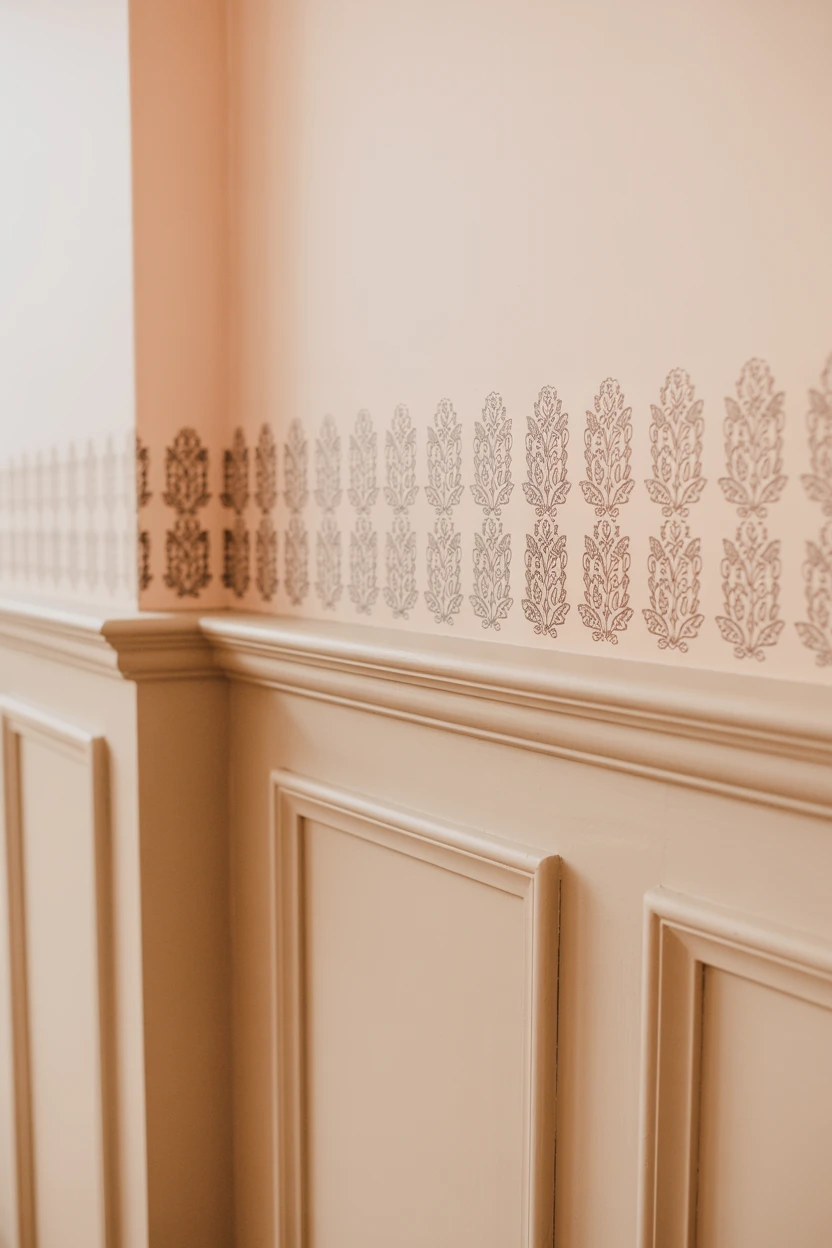
Wallpaper borders are back, but in a much more curated and stylish way. Adding a thin, beautiful wallpaper border along the top edge of your wainscoting is a charming way to add a touch of pattern and define the transition from paneling to wall.
Choose a modern, stylish border—think block prints, delicate florals, or simple geometric patterns. Install your wainscoting and paint both it and the wall above the same color. Then, apply the border right along the top line for a clean, intentional look.
This is a lovely wainscoting panel idea for a bedroom, nursery, or powder room. It is a small detail that packs a big punch, adding a layer of personality and custom detail that feels thoughtful and unique.
This approach feels much more modern than the borders of the past because it is used as a deliberate accent on a monochromatic background. It is a nod to tradition with a fresh, contemporary spin.
━━━━━━━━━━━━━━━━━━━━━━━━━━━━━━━━━━━
24. Combine Two Different Styles
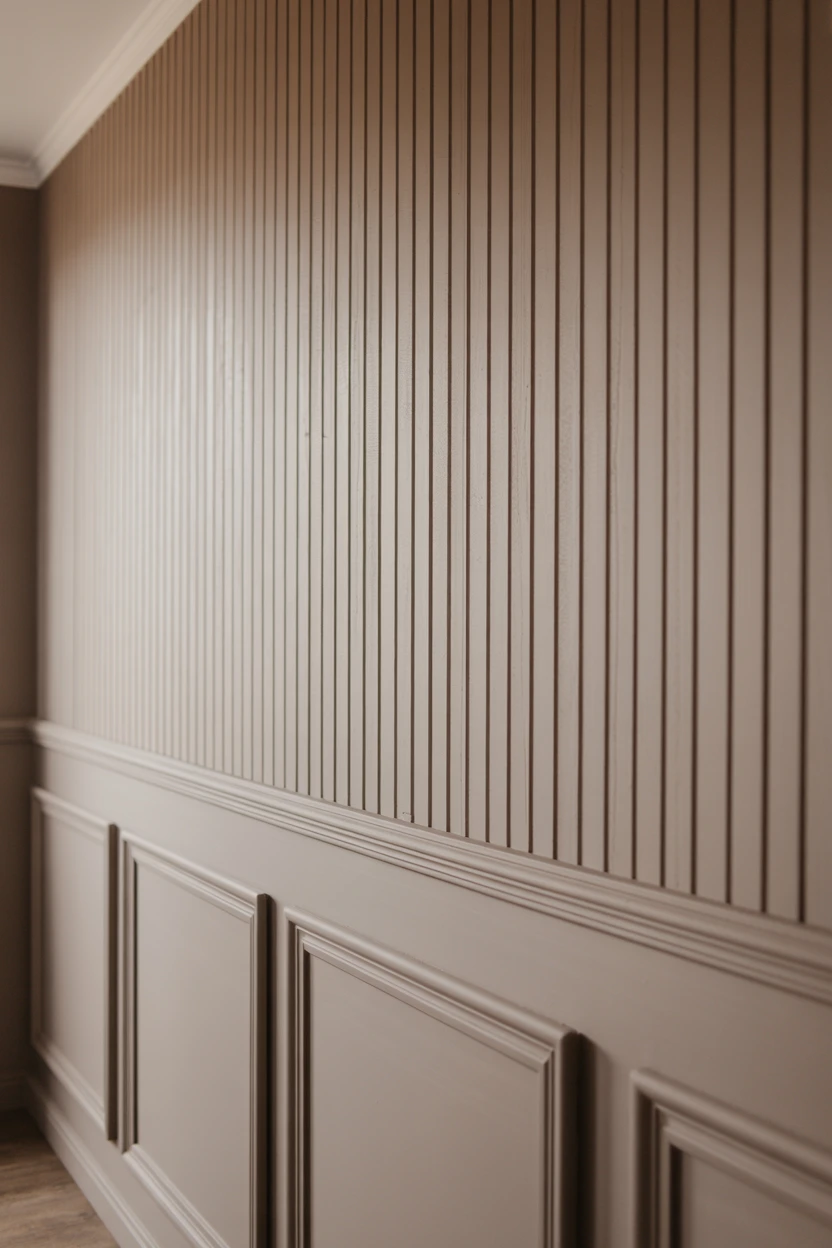
For a richly layered and custom look, do not be afraid to combine two different styles of wainscoting on the same wall. For example, use classic picture frame or raised panel wainscoting on the lower third, and a different texture like vertical shiplap on the upper two-thirds.
The key to making this work is to paint everything—both paneling styles and any wall in between—the exact same color and finish. This unites the different textures and makes the combination feel intentional and cohesive, rather than chaotic.
This advanced creative wainscoting idea is for those who want a truly bespoke, high-texture wall. It works well in a dining room or living room where you want to create a sophisticated and deeply layered backdrop for your furniture and decor.
The result is a wall with incredible depth and architectural interest. The eye registers the different textures as a single, complex surface. It is a bold move that creates a space that feels completely unique and custom-designed.
Your home should be a collection of what you love, built with care.
Conclusion
As you can see, wainscoting is so much more than just a traditional wall treatment. It is a versatile design element that can add texture, color, and architectural significance to almost any room in your home. The right design can completely reshape the feel of your space.
Do not be afraid to step outside of the box and try one of these creative wainscoting panel ideas. Whether you choose a subtle, low-profile design or a bold, full-wall creation, adding this layer of detail is a powerful way to make your house feel more like a custom, thoughtfully designed home.